
Last updated November 20, 2026
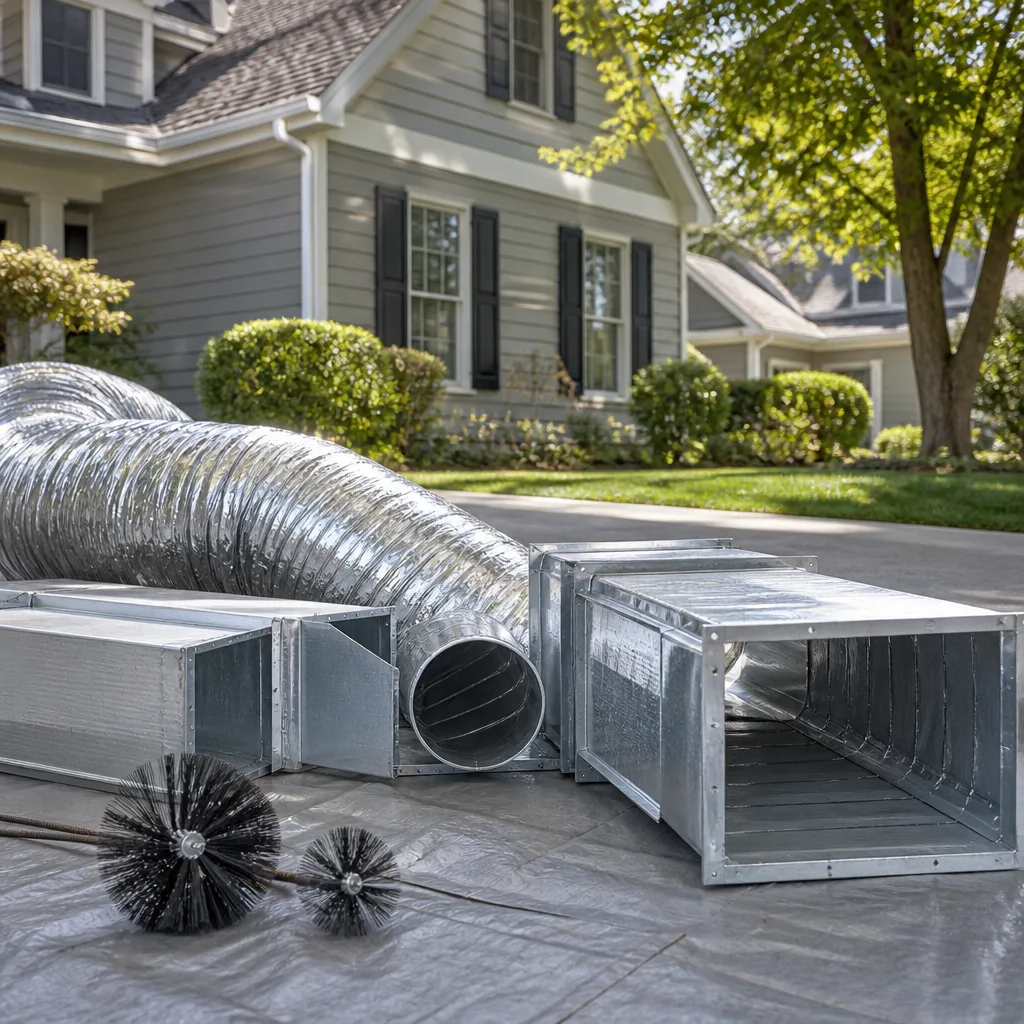 Whole-home duct cleaning
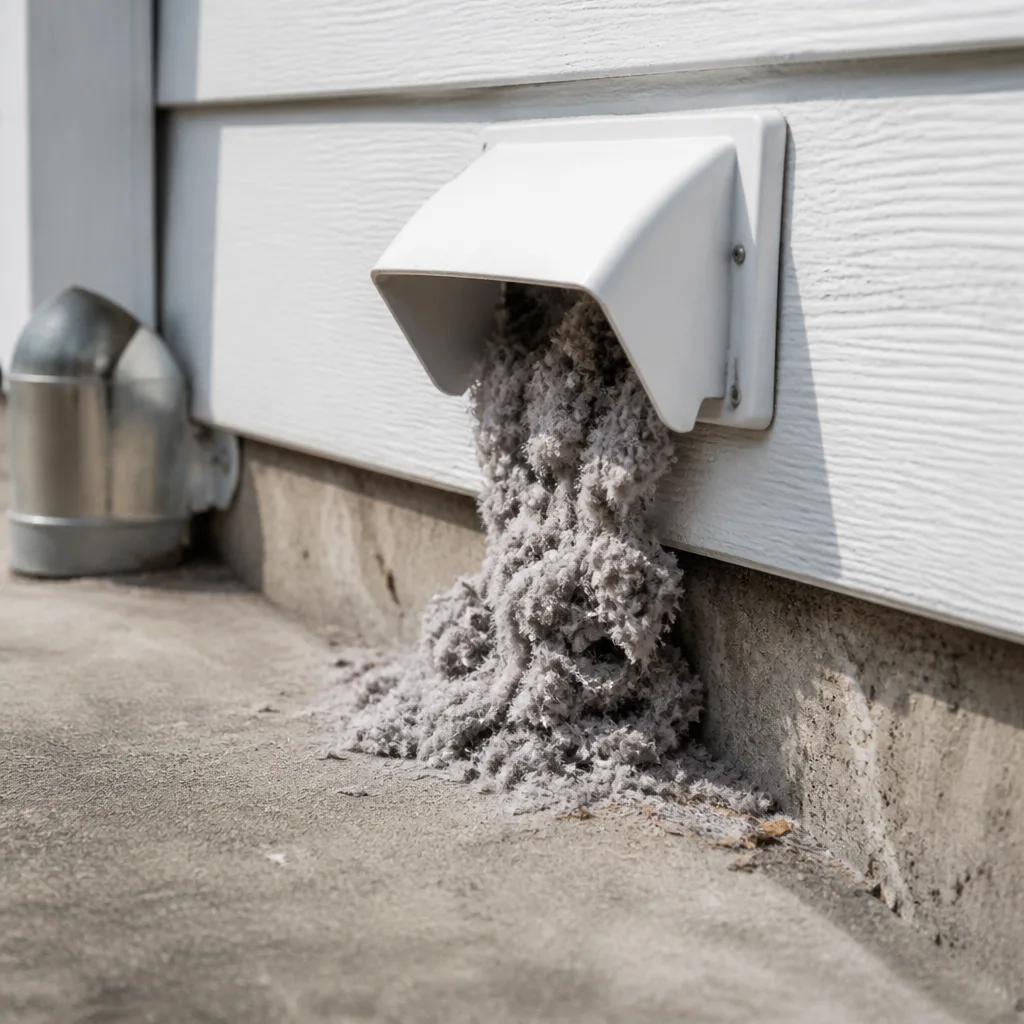 Dryer vent cleaning
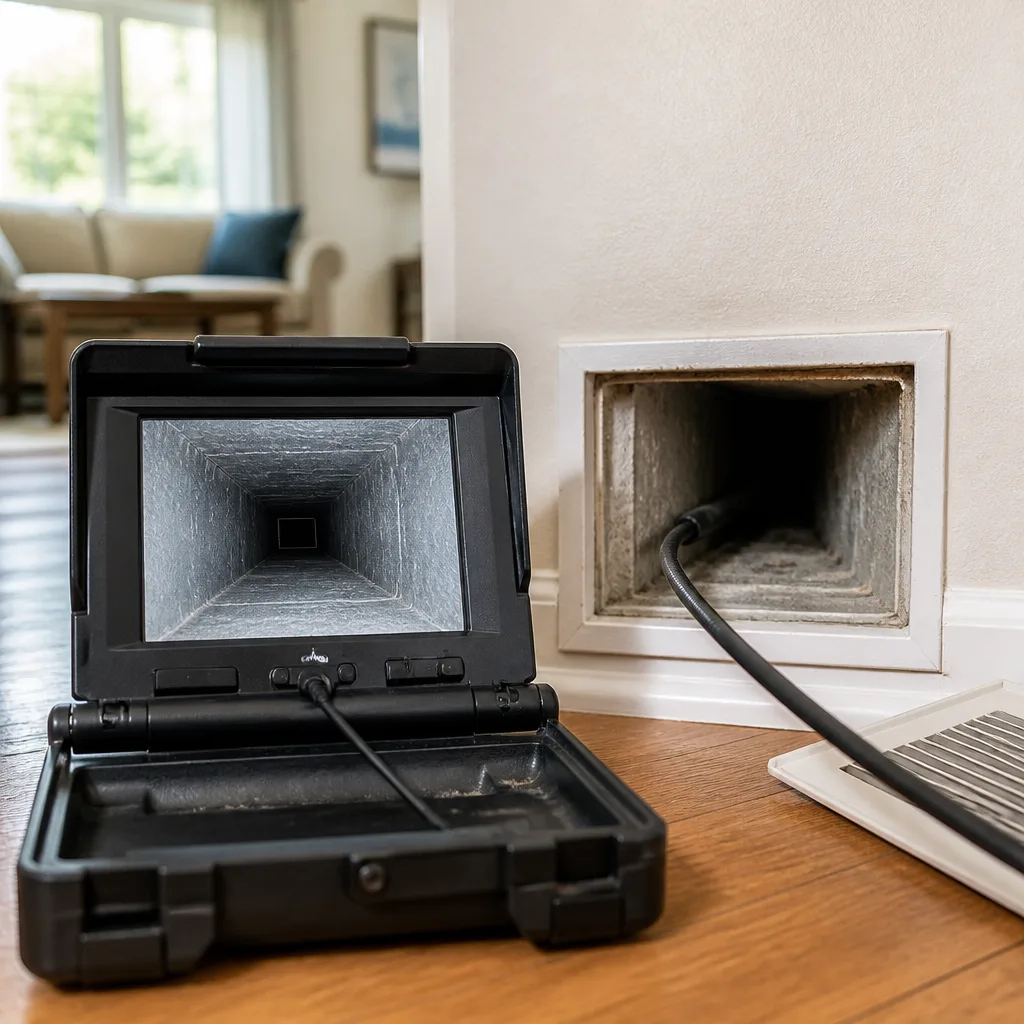 Camera inspection
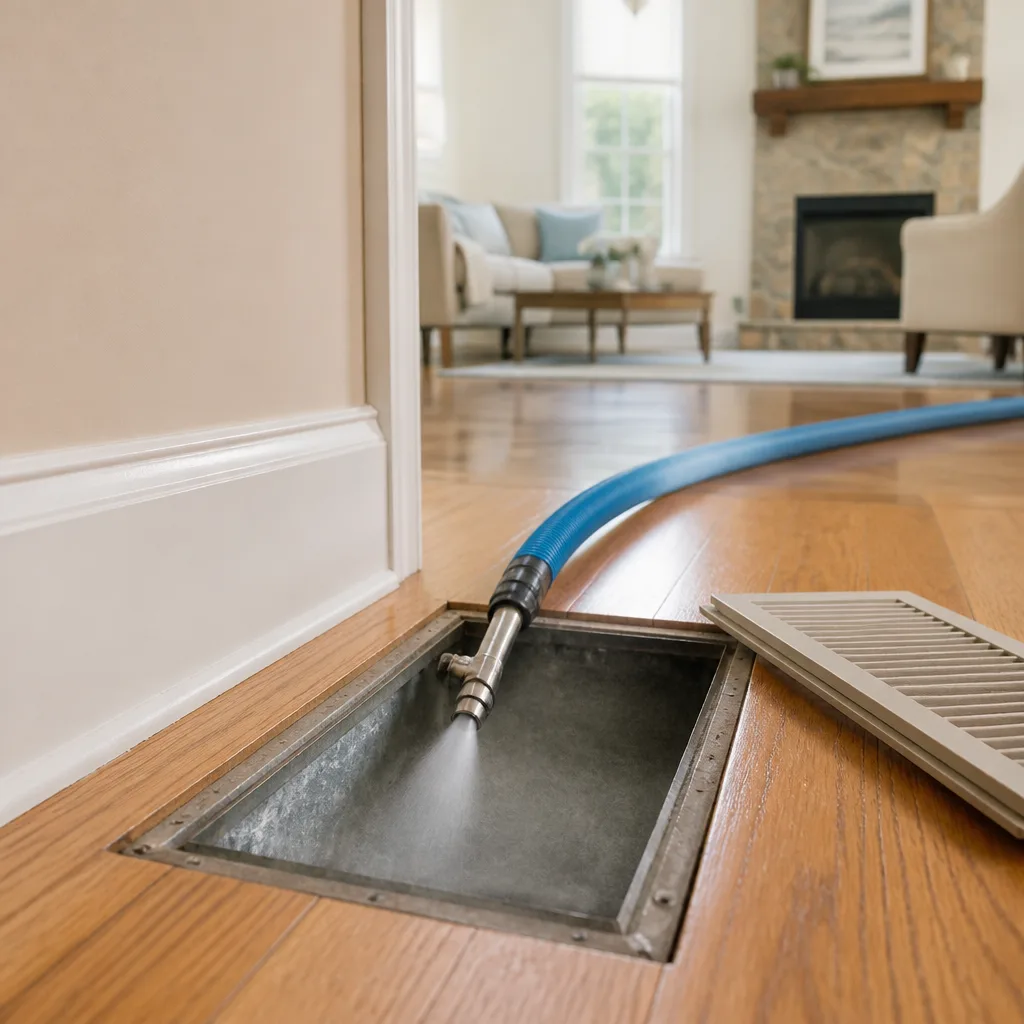 Sanitizing & deodorizing
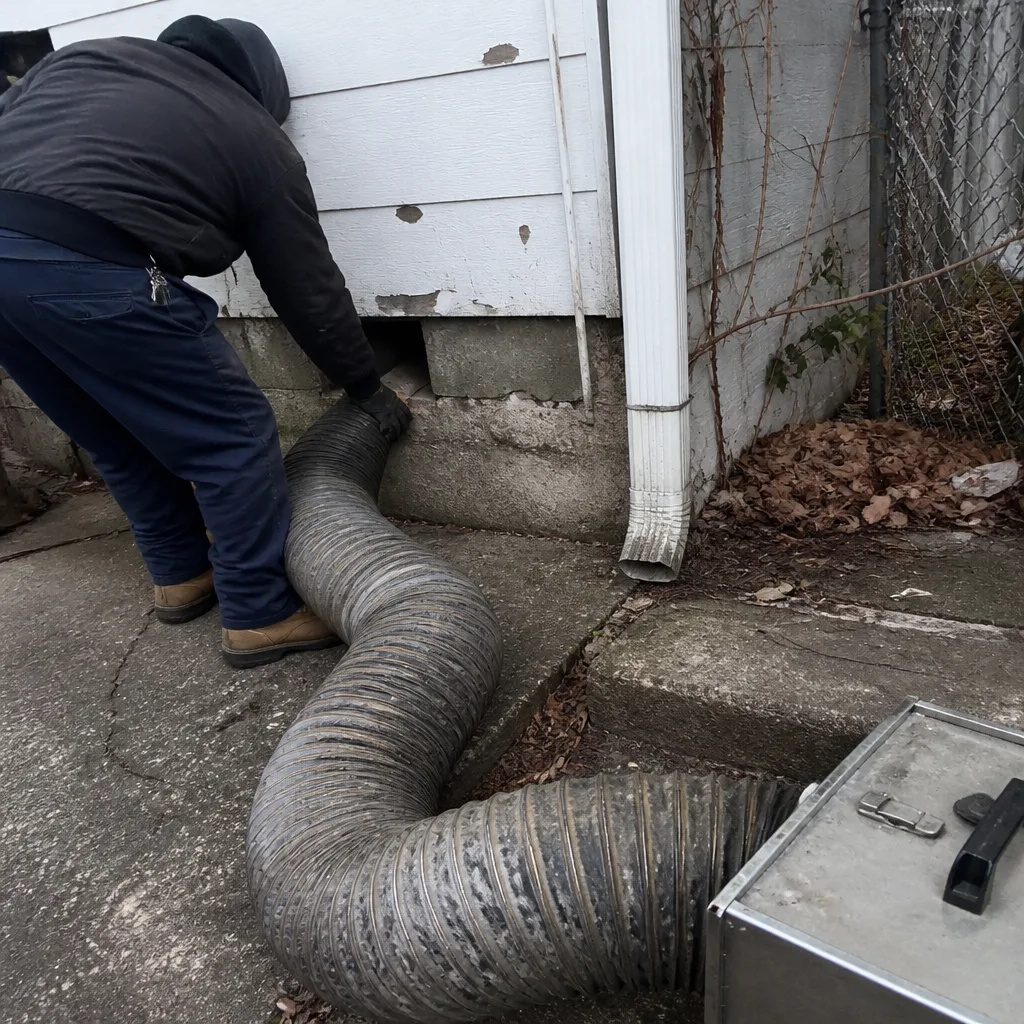
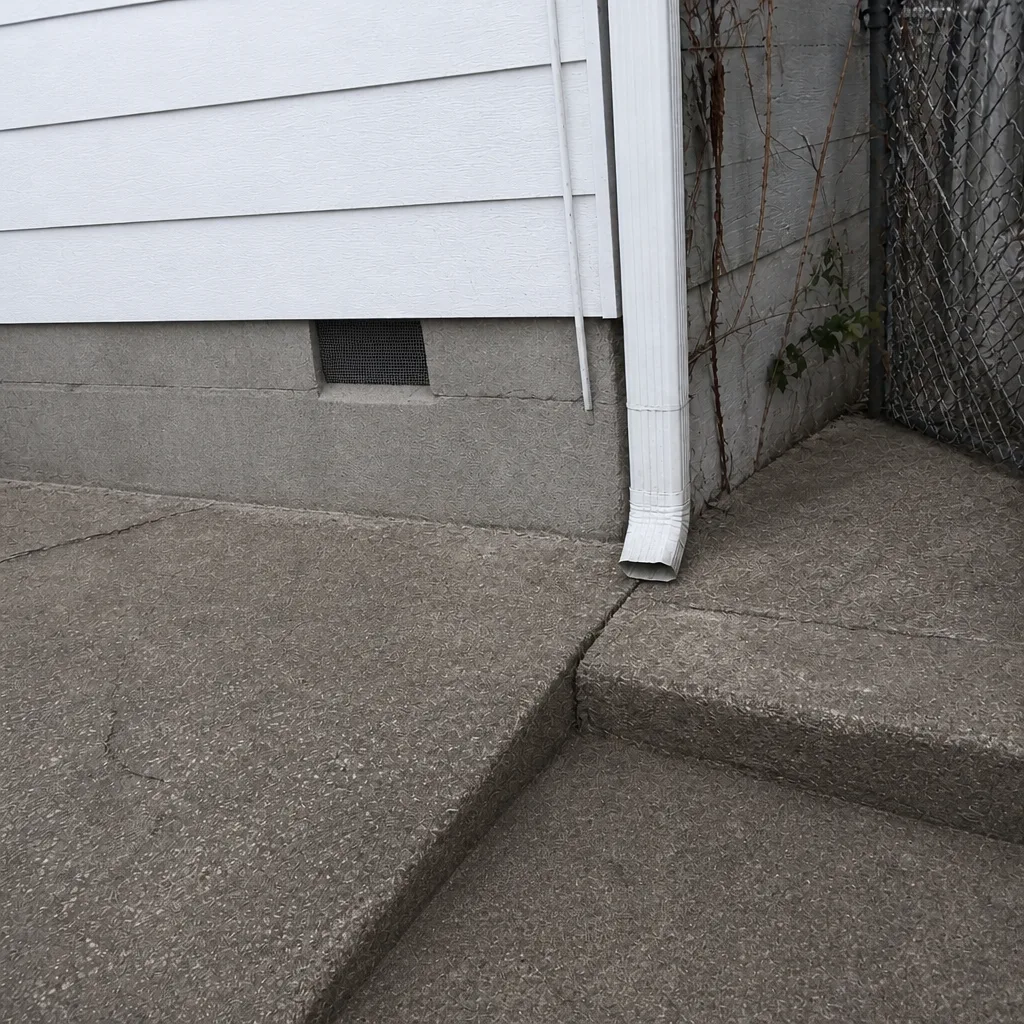
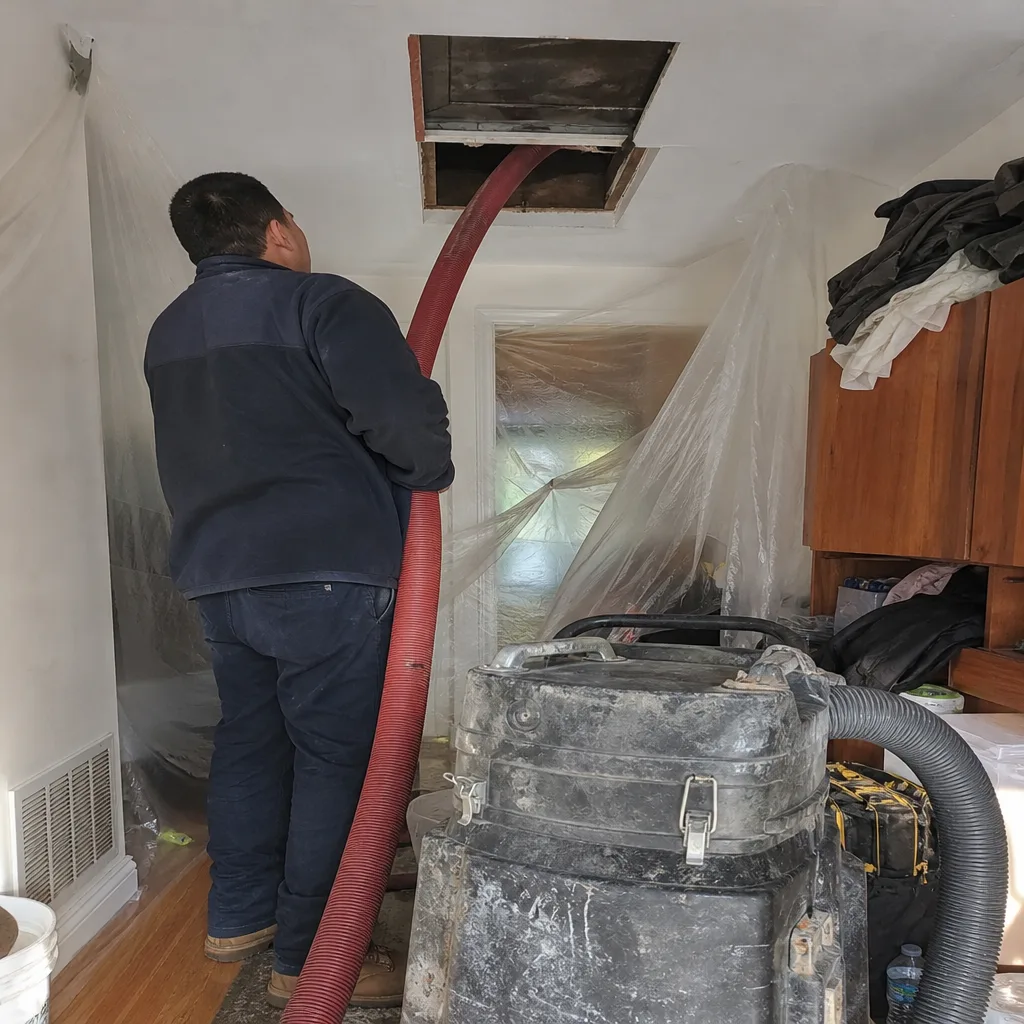
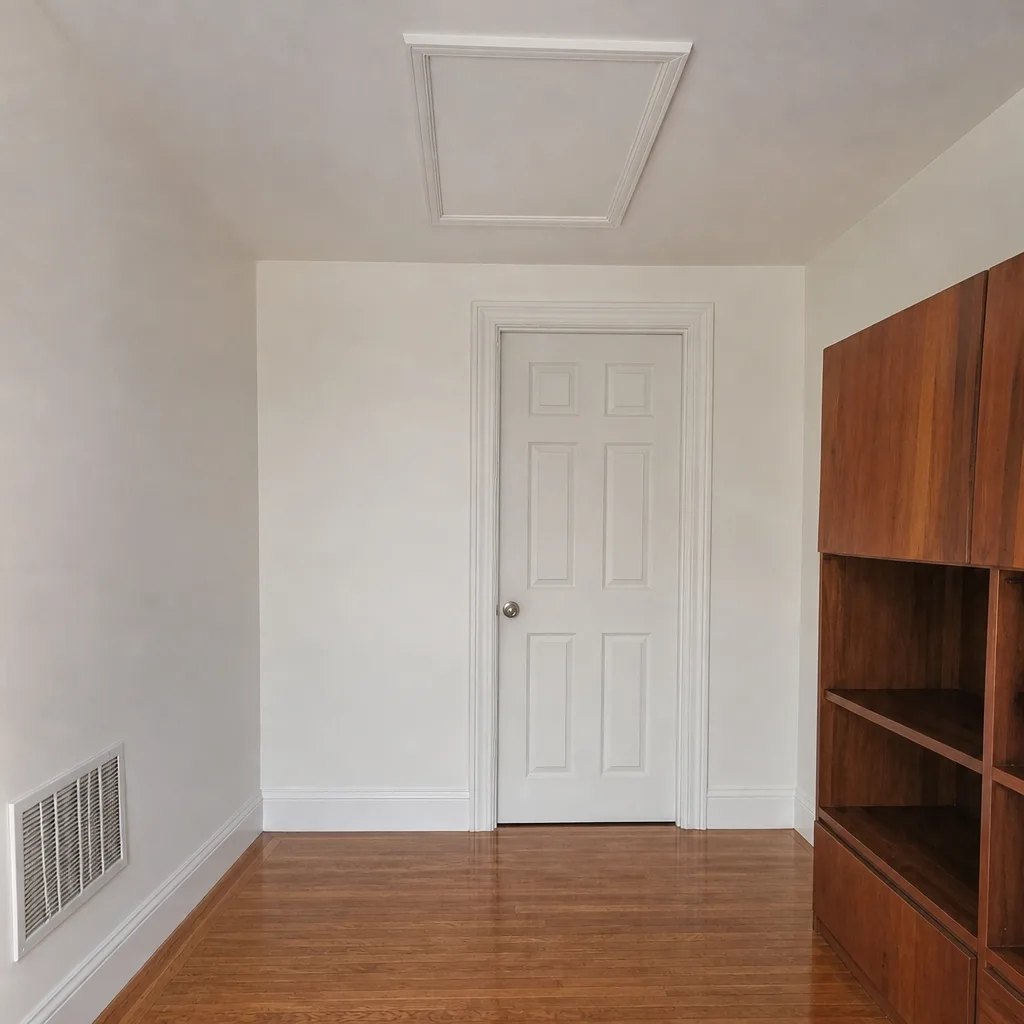
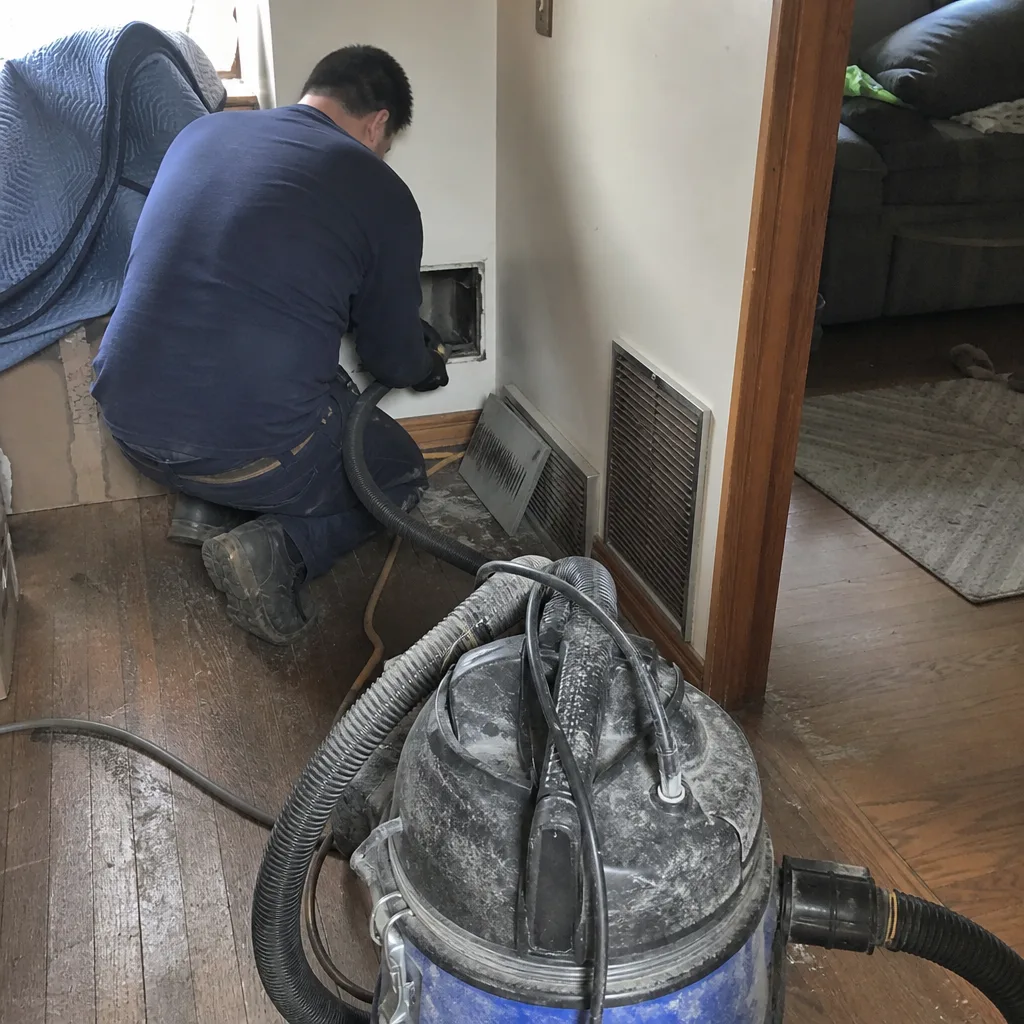
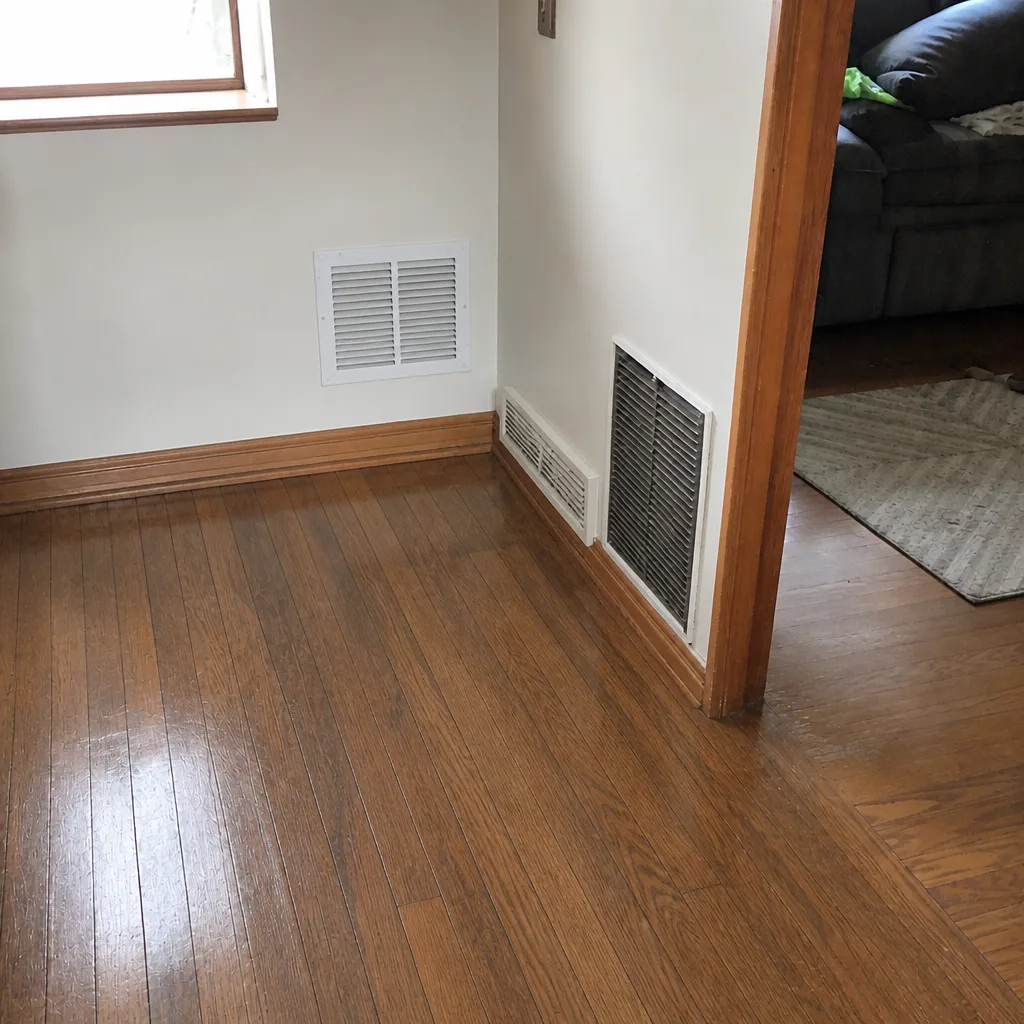
Whole-system duct and dryer vent check with before-and-after photos - you see exactly what came out of your vents
That "$99 whole-house special" is a bait ad - the real number appears once they are in your hallway, or the "clean" is a shop-vac at the register. We photograph the inside of your ducts before and after instead.
The Complete Guide to Air Duct Cleaning in Flushing
Most people assume a duct cleaning is a duct cleaning. A truck pulls up, a machine hums, the vents get sucked out, and cleaner air follows. That assumption is where money gets wasted. The U.S. EPA has warned directly that improper duct cleaning can dislodge contaminants and make indoor air quality worse rather than better, and the tool doing the dislodging matters more than any price tag. In Flushing, where attached row houses, pre-war co-ops and converted two-families produce duct layouts that resist suction-only cleaning, the gap between a real job and a quick pass is wide. This guide walks through the process tool by tool, so you can read an estimate and know what you’re actually buying.
Styles & brands we work with
- Whole-home duct cleaning
- Dryer vent cleaning
- Camera inspection
- Sanitizing & deodorizing
Quick Answer
A legitimate air duct cleaning in Flushing uses mechanical agitation (a rotary brush system like Rotobrush) plus high-powered negative air pressure to loosen and capture debris, then inspects the air handler and coil before finishing. Suction-only cleaning with a shop vac removes surface dust but leaves compacted debris attached to duct walls, which is why equipment matters more than price. Expect the job to cover the full air system, not just the visible registers.
Table of Contents
- Why Equipment Defines the Job
- What Rotobrush Agitation Does That Suction Cannot
- Flushing’s Housing Stock and Duct Geometry
- Negative Air Pressure and Containment During Cleaning
- Why the Air Handler and Coil Complete the Job
- What NADCA’s ACR Standard Requires
- The Cleaning Process, Step by Step
- Filtration Upgrades: Honeywell and Aprilaire
- Common Mistakes to Avoid
- When to Call a Professional
- Frequently Asked Questions
- The Bottom Line
Why Equipment Defines the Job
Air duct cleaning is a mechanical problem before it’s a customer service one. Dust, dander and debris don’t sit loosely on duct walls; they compact against the metal over time, bond with moisture, and build a layer that ordinary suction can’t peel off. A shop vac pulls maybe a few hundred cubic feet per minute through a narrow hose and can’t generate the pressure differential needed to move adhered material. What it does remove is the loose dust near the register, which is the part a homeowner is most likely to inspect afterward.
The professional stack works on a different principle. Three types of equipment do most of the work:
- Agitation tools (Rotobrush rotary brush systems) that physically scrub duct walls.
- High-powered vacuum and negative pressure units (Nikro rigs) that pull a strong, contained airstream through the whole run.
- Air scrubbers and containment (Abatement Technologies) that filter the air in the working space and stop dislodged particulates from migrating into living areas.
We name the tools we use because transparency is part of the job. When a company can tell you exactly what equipment is arriving, the estimate is verifiable before work begins. That’s the standard we hold to with air duct cleaning Flushing.
What Rotobrush Agitation Does That Suction Cannot
Rotobrush is a rotary brush system: a spinning brush head on a flexible shaft that’s fed through the ductwork and scrubs the interior walls as it travels. HVAC contractors and restoration crews use it for the same reason. Suction removes what’s loose; the brush removes what’s stuck. Debris that’s compacted against the sheet metal, fibers matted with moisture, and fine dust that’s bonded to the surface all resist a vacuum but give way to mechanical contact.
The distinction matters more in older ductwork. In Flushing’s pre-war apartment buildings and older row houses, ducts have had decades to accumulate layers that a suction-only run will leave intact. Brushing with a rotary tool loosens them from the wall, and the vacuum captures them immediately after. Agitation without capture just redistributes dust; capture without agitation only removes what was already falling off.
Why Suction-Only Cleaning Fails
- It leaves adhered debris in place. Surface dust leaves, the compacted layer stays.
- It can push dust downstream. Air moves toward the least resistance, which may be into a room rather than out through a filter.
- It can’t verify results. Without mechanical contact, there’s no way to know what the duct wall looked like before and after.
When we run Rotobrush and Nikro equipment through a Flushing home, we photograph what came out. Cleaner air isn’t a feeling; it’s a process, and the process starts with the tool that can actually reach the duct wall.
Flushing’s Housing Stock and Duct Geometry
Duct cleaning in Flushing isn’t the same job as duct cleaning in a newer suburban house. The neighborhood’s built environment creates specific geometry problems that most general guides skip:
- Attached row houses have short, tight duct runs wedged between party walls. There’s little room to maneuver a flexible shaft, and transitions between floors can hide sharp bends where debris collects.
- Pre-war co-ops often have original ductwork that’s narrower than modern systems, with sheet-metal seams and older materials that need careful brush pressure rather than force.
- Converted two-families are the biggest variable. When a single-family home becomes two units, duct runs may be split, capped, extended, or reconnected in ways that leave dead-end branches, junction boxes and surprise transitions. A vacuum alone can’t reach a dead-end branch; a rotary brush on a flexible shaft often can.
- Basement and crawlspace returns in older Flushing homes take on moisture from the ground, which bonds dust into harder deposits that ordinary suction won’t touch.
In dense neighborhoods like Murray Hill, Queensboro Hill, and the blocks around Main Street, ducts share the same wall cavities as plumbing, wiring and sometimes vents from adjacent units. That geometry is why tool selection matters before price. A company that shows up with one vacuum and no brush can’t do a proper job in a converted two-family, no matter how many registers it opens.
What to Check Before Booking in Flushing
- Ask how many duct runs the estimate covers, not how many vents.
- Ask whether the company inspects the air handler and coil, not just the ducts.
- Note any room where airflow feels weak, which points to a branch a suction-only tool can’t reach.
- Ask what equipment is coming and whether it includes a rotary brush system.
Negative Air Pressure and Containment During Cleaning
Agitation loosens debris. That’s good, as long as the loosened particles go into a filter and not into your living room. Negative air pressure is the difference. A high-powered unit like a Nikro rig creates a pressure differential that pulls air (and debris) toward the machine and out of the duct system rather than into occupied space. Abatement Technologies air scrubbers run continuously during the job to filter the air in the working area, capturing fine particulates that other equipment stirs up.
This is where the EPA warning about improper cleaning actually lands. A contractor who brushes without proper containment creates exactly the situation the EPA cautions about: contaminants dislodged into the air without a mechanism to capture them. Containment is the “capture” half of the job, and it’s the part clients can’t see unless someone explains it.
We deploy Abatement Technologies air scrubbers on Flushing jobs because the housing stock is dense and dust migration reaches neighboring rooms fast. In an attached row house, an uncontained cleaning can push fine dust into a party-wall gap and back through a neighboring unit’s duct system. Containment isn’t a premium add-on; it’s the mechanism that makes the cleaning safe to perform.
Why the Air Handler and Coil Complete the Job
Here’s the gap most estimates hide: cleaning the ducts without inspecting the air handler and evaporator coil is an incomplete job. Those two components sit at the center of the system, and if either is contaminated, everything downstream gets re-contaminated the moment the system runs again.
Two specific problems show up repeatedly in our work:
- A fouled evaporator coil releases dust and microbial growth back into the air every time the AC cycles. The ducts may be clean; the coil enters the airstream dirty.
- A dirty blower wheel moves less air, which increases static pressure and can push dust deposits deeper into the ducts.
That’s why we treat HVAC cleaning as a companion to duct cleaning, not a separate upsell. A full-system clean covers the ducts, the air handler and the coil in one visit. On a Flushing job, the difference is measurable: a system cleaned in full holds its condition longer, and the blower and coil don’t undo what the brush just did.
What “Full-System” Actually Covers
- Supply and return ducts, all accessible runs and branches.
- Registers and grilles, removed and cleaned.
- Air handler cabinet, wiped and vacuumed with containment in place.
- Evaporator coil, inspected and cleaned according to the coil type.
- Blower assembly, checked for debris and balance.
If an estimate mentions ducts only, ask what happens to the coil. If the answer is vague, the job is incomplete before it starts.
What NADCA’s ACR Standard Requires
The National Air Duct Cleaners Association publishes a recognized standard for duct cleaning called ACR (Assessment, Cleaning and Restoration). It sets expectations for how a professional job is scoped, executed and documented. Most residential cleaners in Flushing don’t follow it, and the gap explains why two estimates for the same home can differ by hundreds of dollars.
In broad terms, ACR expects the work to include:
- Assessment before cleaning, including visual inspection of the system and identification of problem areas.
- Source removal of contaminants, which means physically removing them from the system rather than masking or sealing them.
- Negative pressure and containment so dislodged material is captured during the job.
- Component cleaning, including air handler, coil and any other part of the airstream.
- Post-cleaning verification, so the result can be demonstrated rather than claimed.
None of this is exotic. It’s the plain baseline of professional work. When we quote a Flushing job, we walk through the ACR expectations in plain language and match our process to them. If a competing estimate doesn’t include negative pressure or component cleaning, the price is low because the scope is thin, not because the work is efficient.
The Cleaning Process, Step by Step
Here’s how a full cleaning runs when the equipment is professional-grade and the scope follows the ACR baseline. This is what an arrival should look like at a Flushing home.
- System inspection. We photograph the air handler, coil and accessible ductwork, note problem branches, and record the starting condition.
- Containment setup. Abatement Technologies air scrubbers are positioned and the working space is sealed to prevent dust migration.
- Negative pressure. Nikro equipment is connected to create a strong airstream toward the collection unit, pulling air from the whole system.
- Agitation. Rotobrush rotary brush heads travel each run, scrubbing duct walls from the register back to the trunk. We alternate brushing and suction so loosened material is captured immediately.
- Air handler and coil cleaning. The blower assembly is inspected and the evaporator coil is cleaned based on its type.
- Register and grille removal. Registers are taken off, cleaned and reinstalled, and covers are wiped before reinstall.
- Finishing. Guardsman protective products are applied to finish and protect cleaned duct surfaces, and we check for any remaining residue at the branch ends.
- Verification. Before-and-after photos are taken at the same locations and shared with the homeowner.
Two related services often go on the same visit. dryer vent cleaning uses the same negative-pressure and agitation logic on a much shorter, much higher-risk duct, and it belongs on the same call if the dryer is showing airflow issues. Getting both done at once is how one visit covers your entire air system.
Filtration Upgrades: Honeywell and Aprilaire
Cleaning resets the system. Filtration keeps it clean. A duct cleaning without attention to filtration is a one-time event; the same dust returns in the same way unless the filter train changes.
We supply and install Honeywell and Aprilaire filtration products because both are designed for the media and cabinet systems that fit the systems you’ll find in Flushing homes and co-ops. The upgrade that matters most is usually the media filter cabinet at the air handler. A media filter captures finer particles than a standard slot filter and takes load off the coil, which extends the time between cleanings. A high-MERV filter cartridge is worth discussing alongside the cleaning, not after it.
For homes with allergy concerns, pets or young children, filtration is the layer of indoor air quality work that most cleaners skip. If a company cleans the ducts and leaves the system with the same cheap filter slot, the result lasts a season at best. Cleaner air is a process, and the filter is part of the process.
Common Mistakes to Avoid
- Hiring on price alone. A very low quote usually means a suction-only run with no agitation and no containment. Two visits later, the ducts are as compromised as before. Ask what equipment is arriving before you compare prices.
- Believing per-vent pricing. Charging by the register rewards the company for counting, not cleaning. A whole-system price agreed in writing before work starts is the only number that reflects the job.
- Skipping the air handler and coil. A duct-only cleaning leaves the two components that most often re-contaminate a cleaned system untouched.
- Letting the technician skip containment. In a Flushing row house or co-op, uncontained dust migrates through shared wall cavities. If the crew doesn’t set up a scrubber and negative pressure, the job is unsafe for the air you and your neighbors breathe.
- Ignoring the dryer vent. Dryer vents clog faster than HVAC ducts and are a fire risk when they do. If the dryer takes two cycles to dry a load, the vent is overdue.
- Not asking for before-and-after photos. Without photos, you have no way to verify the work was done. A professional company will photograph the system before cleaning and again at the same locations after.
- Cleaning without inspecting the filter train afterward. If the filter slot is unchanged and the media filter wasn’t discussed, the system will refill the ducts with the same debris within a season.
When to Call a Professional
You need a professional duct cleaning when you can see a visible dust line at a supply register, when a room has noticeably weaker airflow than its neighbors, when the return grille is coated in a dark film, or when you’ve just moved into a Flushing home and don’t know the last time the system was cleaned. Allergy symptoms that worsen indoors during heating or cooling season, and pets in a home with older ductwork, are also good reasons to inspect.
Dryer vents are their own case. If a load takes more than one cycle or the vent flap outside doesn’t open fully, the vent needs cleaning before it becomes a fire risk. If you’re near a renovation, a fire, or a pest problem, have the system inspected before you turn it back on.
Air Duct Cleaning Flushing offers free estimates in Flushing. Call (833) 468-5745. We answer 24/7. Fast dispatch from 7am to 7pm, Sunday through Friday.
Frequently Asked Questions
Air duct cleaning in Flushing is priced per job from a written estimate, and the ranges depend on system size, number of runs, accessibility and whether the air handler and coil are included. Whole-system pricing that covers ducts, air handler and coil is the standard scope. A quote that seems unusually low usually reflects a suction-only scope; a written estimate for the whole system gives you the real number before any work begins. Call (833) 468-5745 for an exact quote. Estimates are free.
Because the scope is smaller. Most low quotes cover a suction-only pass on visible registers and skip agitation, negative pressure, containment and coil cleaning. You get the visit you paid for and nothing more; the compacted layer in the duct wall stays. The only reliable way to compare quotes is to ask what equipment each company brings and whether the coil is included. Call (833) 468-5745 for a scoped estimate you can compare line by line.
Ask for before-and-after photos taken at the same locations. A professional cleaning photographs the air handler, coil and accessible ductwork before starting and again at the same spots after finishing, and the photos are shared with you. If a company won’t take photos, the work can’t be verified. Call (833) 468-5745 and ask what documentation is included.
It depends on the home and the system, not a fixed calendar. Homes with pets, recent renovations, allergy sufferers, or older ductwork often need it sooner; condos with newer sealed systems can go longer. Inspecting the system, the coil and the filter train tells you whether cleaning is due. A free estimate can answer that for your Flushing home; call (833) 468-5745.
Yes. Dryer vent cleaning runs on the same negative-pressure and agitation logic as duct cleaning and is often scheduled alongside it. A single visit can cover air duct cleaning and the dryer vent together. Call (833) 468-5745 to book both.
Yes. Attached row houses, pre-war co-ops and converted two-families have tighter, narrower and more varied duct geometry than newer suburban homes. That means tighter transitions, dead-end branches, and shared wall cavities where uncontained dust can migrate. Equipment choice matters more here than in a house with wide modern duct runs. Call (833) 468-5745 to talk through your specific layout.
The Bottom Line
Duct cleaning is an equipment problem, not a price-tag one. Rotary brush agitation loosens what suction alone can’t reach, negative pressure and air scrubbers capture it, and a full-system clean includes the air handler and coil that would otherwise re-contaminate the ducts. In Flushing’s dense housing stock, containment and correct tooling aren’t premium features; they’re the difference between a cleaning and a dust storm. When you evaluate a quote, ask what equipment is arriving and whether the coil is included. That answer tells you more than any price. If you want the process explained before you book, start there.
Call (833) 468-5745 for a free estimate. We answer 24/7. Fast dispatch from 7am to 7pm, Sunday through Friday.
Learn more about what we do and how we scope a job at dryer vent cleaning Flushing or HVAC cleaning Flushing. Ask us what equipment we’re bringing. We’ll tell you exactly.
Written by the team at Air Duct Cleaning Flushing.
See the difference
 Before
 After
 Before
 After
 Before
 After