
Last updated November 20, 2026
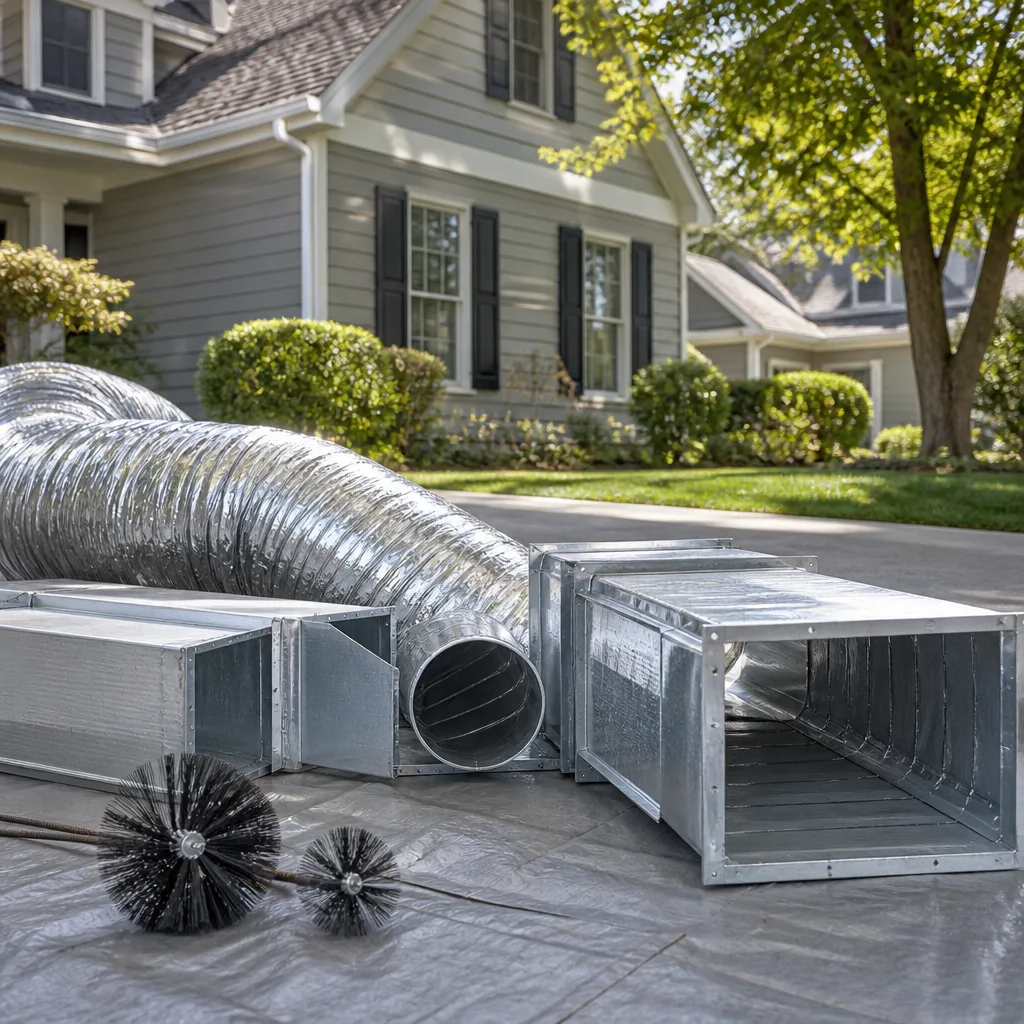 Whole-home duct cleaning
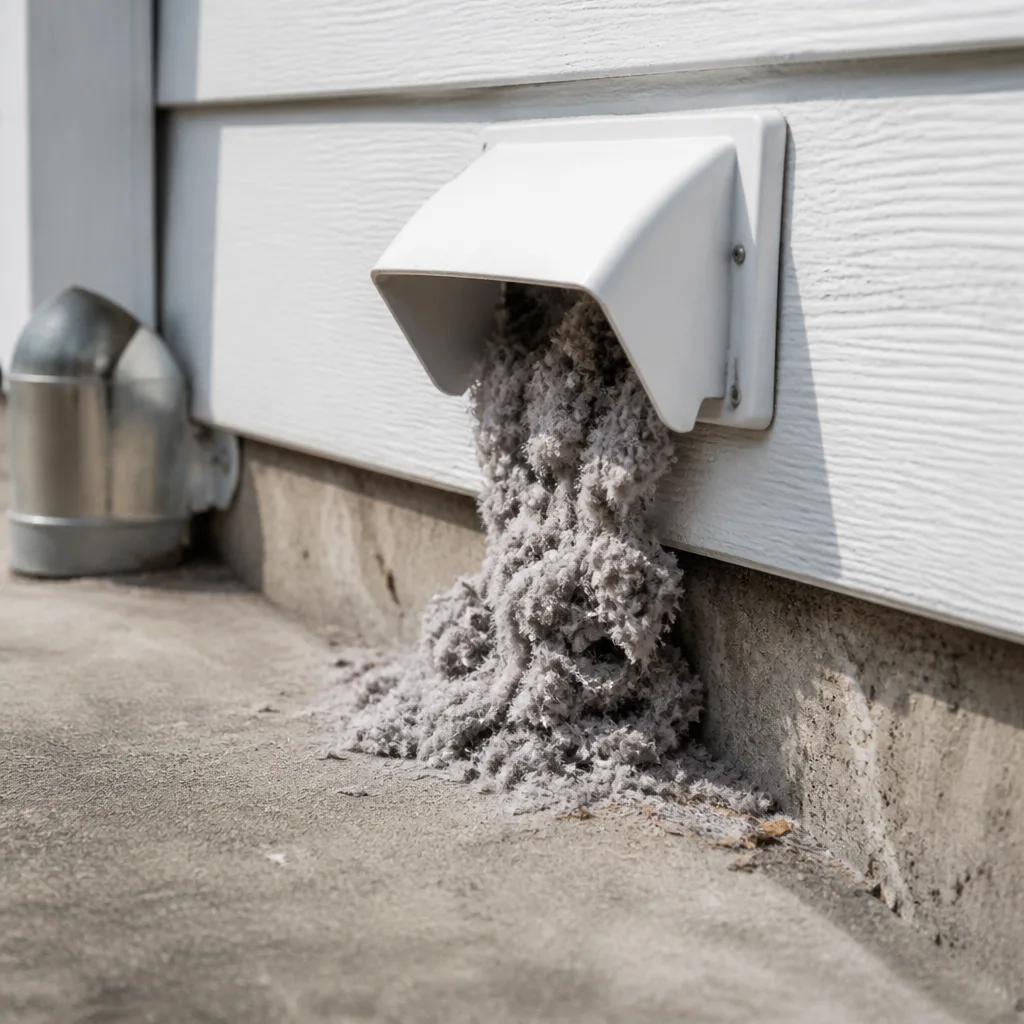 Dryer vent cleaning
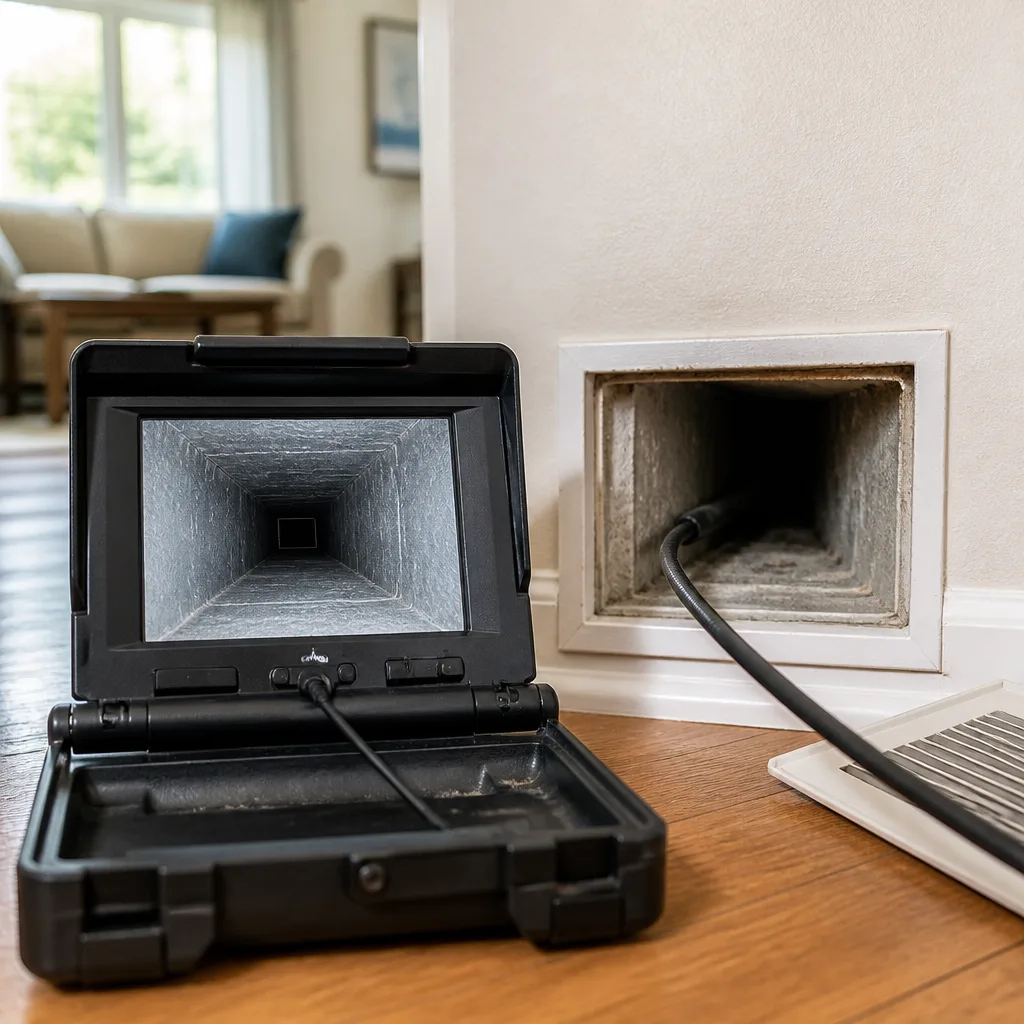 Camera inspection
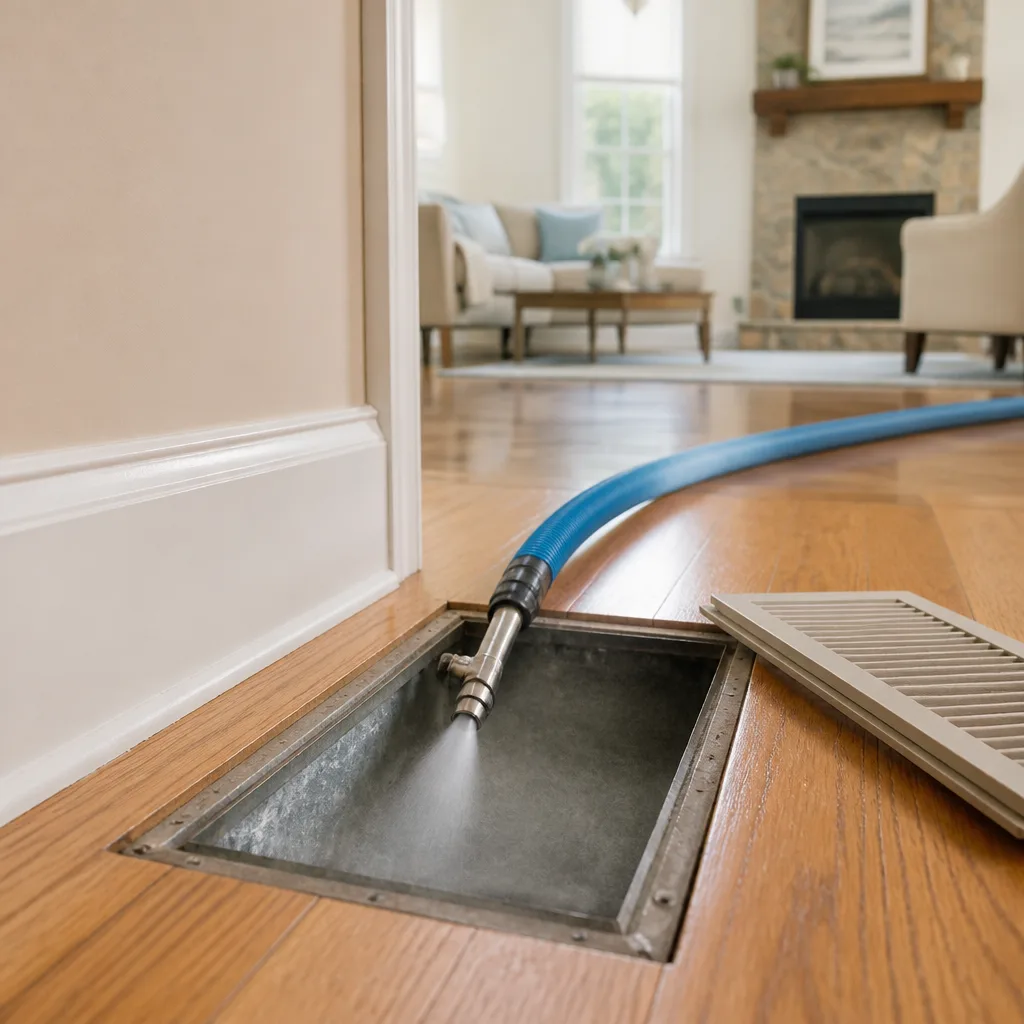 Sanitizing & deodorizing
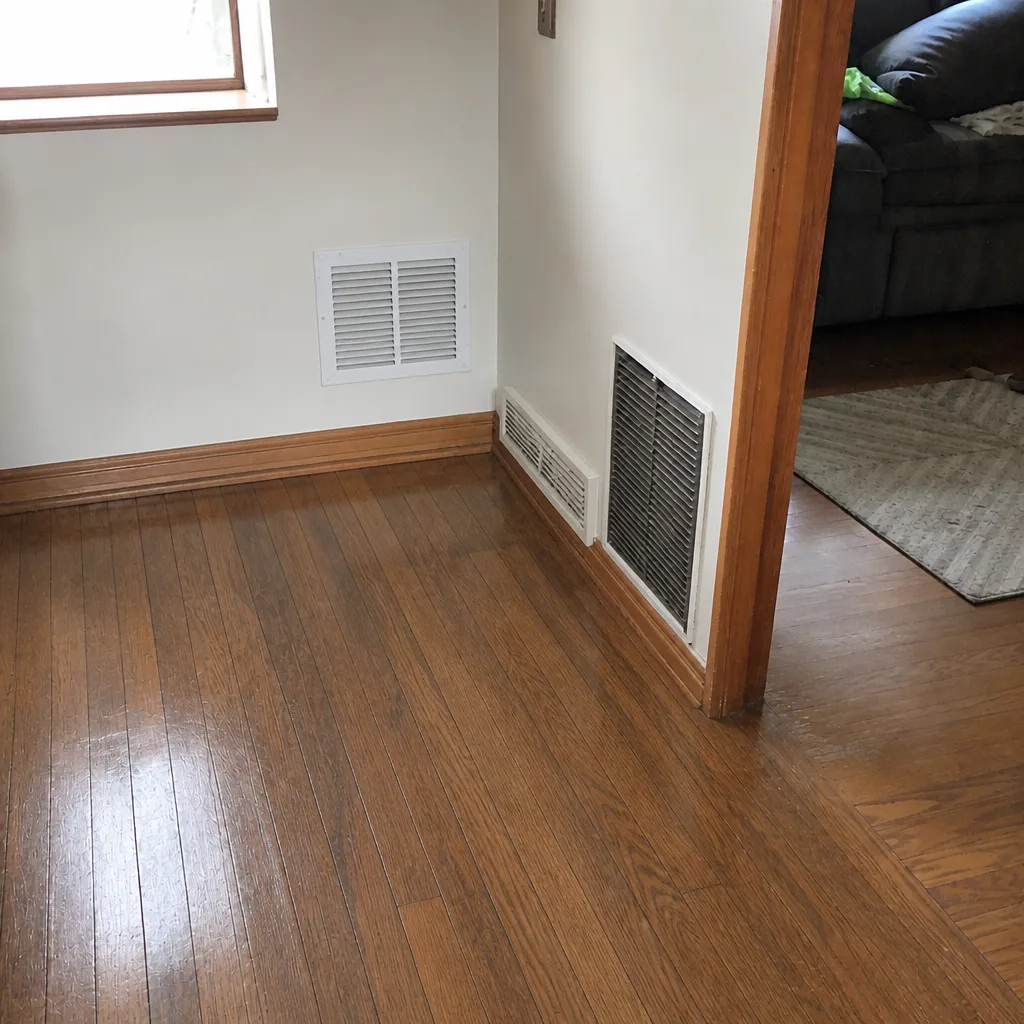
Whole-system duct and dryer vent check with before-and-after photos - you see exactly what came out of your vents
That "$99 whole-house special" is a bait ad - the real number appears once they are in your hallway, or the "clean" is a shop-vac at the register. We photograph the inside of your ducts before and after instead.
Seasonal Air Duct Cleaning Care for Flushing: Year-Round Homeowner’s Guide
Most homeowners in Flushing treat air duct cleaning as a milestone, something you schedule once every few years and then forget. That framing misses what actually happens inside a duct system over twelve months. Flushing’s climate swings hard between a humid, heavy-use summer and a long heating season, and each stretch loads your ducts with a different kind of material – pollen in spring, coil condensate and mold spores in summer, combustion soot and rodent debris through the fall transition, and fine static-charged dust all winter. Treat cleaning as a seasonal rhythm rather than a one-time event and the payoffs show up in airflow, filter life, and what your family breathes. This guide maps what accumulates quarter by quarter across Queens and how to plan a full year of care.
Quick Answer
Air ducts in Flushing accumulate different contaminants in each season, so the right approach is a seasonal cycle: inspect and clear returns after the heating season in spring, manage coil condensate and humidity in summer, address furnace startup debris and rodent nesting in fall, and monitor static pressure through winter. A full professional clean is worth doing roughly once a year; targeted service between those cleans keeps the system healthy. Seasonal discipline prevents the mold problems that callbacks in August always trace back to an ignored summer humidity season.
Styles & brands we work with
- Whole-home duct cleaning
- Dryer vent cleaning
- Camera inspection
- Sanitizing & deodorizing
Table of Contents
- Spring: The Post-Heating Inspection Window
- Summer: Humidity, Coil Condensate, and Mold Risk
- Fall: Pre-Heating Startup and Rodent Intrusion
- Winter: Static Pressure in Older Flushing Homes
- How to Tier Your Spending Across the Year
- What Professional Equipment Actually Changes
- Common Mistakes to Avoid
- When to Call a Professional
Spring: The Post-Heating Inspection Window
Spring in Flushing is the first time in months your ducts stop working overtime, and that pause is exactly when you can see what the heating season left behind. The two spring problems we see most are heat exchanger soot migration into the supply plenum and pollen intrusion through aging return filter bypasses.
When a furnace runs through a full Queens winter, fine combustion byproduct and dust coat the inside of the heat exchanger and the first stretch of supply ductwork. Most of it stays put. But as temperatures stabilize and the blower runs less, that coating dries and flakes, and any gap in the plenum or a loose takeoff gives it a path into the supply line. Homeowners notice it as gray dust collecting on registers or a metallic smell on the first warm week. This is one reason spring is the ideal time for a thorough professional clean: a rotary brush system can lift that dried film before the cooling season pushes it through the house.
Pollen is the other half of the spring story. Older homes around neighborhoods like Murray Hill and Broadway-Flushing often have return filter grilles that don’t seal tightly. When the filter is undersized or the grille hinge is loose, air bypasses the filter entirely and carries tree and grass pollen straight into the return duct. You can check this yourself – pull the filter and look for a dust shadow around its edges. A shadow means bypass. Sealing that bypass and cleaning the return is a spring task that pays off all summer.
Spring checklist:
- Look at the return filter grille for dust shadows that signal bypass, and reseal or upgrade.
- Inspect the supply registers for flakes or gray film in the first days of warmer weather.
- Schedule a professional clean if it’s been more than a year since the last full-service visit.
- Photograph the inside of a return grille so you have a baseline to compare against next season.
Summer: Humidity, Coil Condensate, and Mold Risk
Summer in Flushing combines humidity levels that routinely run above 70% with a cooling system that can run ten or more hours a day. That pairing – warm, moist air plus a constantly wet cooling coil – is the exact condition that turns a clean duct into a mold-favorable environment inside a single season. The drain pan and the evaporator coil are the highest-risk components in the whole system, and they’re the components most people never look at.
Here’s how the cycle works. Your air conditioner pulls humid air across the cold evaporator coil, condenses water out of it, and drains that water away through a pan and condensate line. When the pan holds standing water, or the line clogs and backs up, that moisture sits inches from your supply plenum. Mold spores are already present in household dust. Add standing water and a warm, dark plenum and you have a growing colony feeding spores into every room the supply ducts reach. This is why the mold calls we get in August almost always have a June or July origin.
The proactive move is to keep the coil and pan clean through the cooling season. A professional HVAC cleaning in mid-summer flushes the coil, clears the condensate line, and treats the pan and drain path so moisture doesn’t linger. Upgrading filtration matters too – a properly matched high-efficiency filter from a supplier like Aprilaire captures more of the fine particulate that carries spores before it reaches the coil.
Summer steps:
- Check the condensate line monthly – if water doesn’t drip freely, the line is clogging.
- Confirm the drain pan is dry between cycles and has a slight pitch toward the drain.
- Replace filters on the tighter schedule summer demands, not the once-a-year winter schedule.
- Book a mid-season HVAC cleaning if humidity in the home stays high even with the system running.
Fall: Pre-Heating Startup and Rodent Intrusion
Fall is the transition month when your duct system flips from cooling to heating, and it’s the season homeowners least expect trouble. Two things go wrong here: the first furnace cycles push combustion byproduct and settled summer dust through the supply, and rodents treat the ductwork as a warm nesting ground during the cooling-to-heating switch.
When a furnace sits idle through a humid summer, dust and moisture settle on the heat exchanger and in the plenum. The first heating cycle burns off that residue, and the smell that often accompanies it is exactly that – burned dust and byproduct finding its way into rooms through the supply ducts. A pre-heating clean removes the settled layer before the season starts and reduces the startup odor and the amount of fine particulate that circulates through the house in those first weeks.
Rodents are the other fall problem. As outdoor temperatures drop, mice and squirrels look for warm shelter, and an old return duct with a cracked joint or a disconnected flex run is an easy entry. Nesting material – shredded insulation, paper, droppings – ends up inside the ductwork, and every time the blower runs it disturbs that material. If you notice a musky smell early in the heating season, or hear scratching in the walls near a return, have the ducts inspected before you run the furnace through the winter.
Fall checklist:
- Run the furnace for a few minutes on the first cool day and note any persistent odor.
- Inspect visible ductwork in the basement or crawl space for cracks, disconnected joints, or chew marks.
- Seal any gaps at the plenum and return before the heating season begins.
- Schedule a clean and inspection if you suspect rodent activity – this is not a vacuum-and-done job.
Winter: Static Pressure in Older Flushing Homes
Winter in Flushing is a long heating season, and in older homes the ducts spend weeks running continuously under load. In houses that were converted from steam heat to forced air, that continuous operation exposes a problem that stays hidden most of the year: undersized duct runs and high static pressure.
Static pressure is the resistance air meets as it moves through your duct system. Every bend, every undersized branch, every filter loaded with dust adds resistance. Older Flushing homes often have ductwork designed for a different era of heating – short main trunks, narrow branches to each room, or a design that never anticipated a modern forced-air blower. When static pressure runs high, airflow drops. Rooms at the end of the run stay cold, the system works harder, and dust that should have been carried out settles instead. High static pressure also accelerates filter loading, which is why some homeowners change filters constantly and still feel poor airflow.
What you can monitor in winter is simple. Check the filter monthly – a filter that loads in a few weeks is often a sign of high static pressure or a duct system full of settled debris. Note which rooms stay cold no matter the thermostat setting. And listen to the blower: a strained sound or a rattle at startup can indicate the system is fighting resistance. A professional who measures static pressure and cleans the duct runs can often identify whether the fix is cleaning, balancing, or a duct upgrade.
Winter monitoring list:
- Check filter load every few weeks during peak heating.
- Note rooms that never reach temperature – usually the far ends of undersized branch runs.
- Listen for blower strain or rattle at startup.
- Track dust settling on registers – heavy settling through winter points to a delivery problem worth a professional look.
How to Tier Your Spending Across the Year
Not every season calls for the same level of service, and knowing when to book a full clean versus a targeted service saves money without cutting corners. The tiering principle is straightforward: a full clean resets the whole system, targeted service addresses a specific problem between resets.
Full professional clean (once a year, ideally spring): A full service uses a rotary brush and high-powered vacuum system to reach every duct run, registers, plenum, and the components behind them. This is the reset. It removes accumulated debris from a whole heating-and-cooling cycle. Spring is the best timing because it clears the winter residue before the summer cooling season, and it gives you months of cleaner airflow before humidity arrives.
Targeted service (as needed, often summer or fall): A targeted vacuum or component-specific service focuses on the coil, drain pan, or a single duct run where a problem surfaced. If humidity spikes and you suspect the coil, a targeted HVAC cleaning handles that zone without a full-system reset. If rodent activity is confined to the return near the basement, a containment-and-cleaning service addresses that narrow area.
How to choose:
- Annual full clean: if it’s been more than a year since the last reset, or it’s your first spring in the home.
- Targeted coil/pan service: if humidity is high, drains are slow, or you smell musk in summer.
- Targeted return service: if you suspect rodent activity or a cracked return joint.
- Dryer vent add-on: once a year, ideally combined with the annual duct clean – the dryer vent is part of the same air ecosystem and deserves the same professional attention.
One call can cover all three services – air duct, dryer vent, and full HVAC cleaning – because the equipment and crew that handle one are equipped for the others. Keeping the whole system on one seasonal schedule is easier than juggling separate contractors.
What Professional Equipment Actually Changes
The reason a seasonal cleaning schedule only works when done right is that the equipment matters more than most homeowners realize. A shop vac pulls surface dust from the first few inches of a register. A professional-grade system reaches the full run, dislodges the debris that has settled at the bottom of the duct, and captures it before it re-enters the house.
Here’s the equipment stack that separates a real cleaning from a surface wipe, and why we name it rather than hide it:
- Rotobrush rotary brush systems – the same equipment standard professional HVAC contractors use. A rotating brush actively scrubs the duct walls while a vacuum captures the dislodged material. It reaches corners and elbows a static vacuum can’t.
- Nikro-powered cleaning rigs – built for both residential and commercial duct remediation, designed to move high volumes of air and hold the debris that a rotary brush lifts.
- Abatement Technologies air scrubbers and containment – this is remediation-grade equipment. While we clean, a negative-pressure setup captures airborne particulates so dislodged dust doesn’t settle back into rooms. The same standard restoration contractors apply to contaminated environments belongs in routine duct cleaning too.
- Aprilaire and Honeywell filtration products – after cleaning, upgrading filtration keeps the system cleaner between visits. We’re authorized to supply and install these, which turns a one-time clean into ongoing air quality management.
- Guardsman protective products – used to finish and protect duct surfaces after cleaning, so the interior surface resists dust adhesion going forward.
That full stack is what makes a seasonal schedule practical: the annual reset actually resets the system, and the between-season targeted service uses the same professional tools on a smaller zone. When you ask what equipment is coming into your home, the answer should be specific. We’ll tell you exactly what we’re bringing, because transparency is part of the job.
Common Mistakes to Avoid
- Treating cleaning as a one-time purchase. The homeowner who cleans once and forgets it is the one calling in August about a smell from the vents. Build a schedule and stick to it, or the spring residue becomes a summer mold problem.
- Ignoring the coil and drain pan. Everyone looks at the ducts; almost no one looks at the coil. In Flushing’s humid summers, the coil and pan are where mold concern actually starts. Get them checked, not just vacuumed, each summer.
- Skipping the pre-heating fall inspection. Running a furnace for the first time in fall with settled summer dust and a possible rodent nest in the return is a bad combination. Inspect and clean before the first heating cycle, not after.
- Relying on filter changes alone. A clean filter captures what reaches it. If your return bypasses the filter or the ducts are already loaded, a new filter can’t fix the source. Filter changes and duct cleaning are different jobs.
- Choosing the lowest-priced quote without asking about equipment. A low price and a shop vac go together. Ask what equipment will be used and whether containment is part of the job – a genuine provider will give you a specific answer.
- Forgetting the dryer vent. In older Flushing homes, a dryer vent run can be long and accumulate lint in ways that aren’t visible from the outside. Annual professional dryer vent cleaning belongs on the same seasonal calendar as the ducts.
- Never measuring air pressure. In steam-to-forced-air conversions especially, winter airflow problems are often a static-pressure issue that a homeowner never checks. Ask for a measurement when airflow feels off.
When to Call a Professional
Some seasonal tasks are safe to handle yourself – checking filter bypass, sealing a loose return grille, photographing a register for a baseline. But several situations call for trained hands and professional equipment. Call a professional if you see visible mold inside a duct run or on the coil, if there’s a musky smell that returns every summer, if you suspect rodent nesting in the return, if your home was converted from steam to forced air and winter airflow is poor, or if it’s simply been more than a year since the last full clean and you can’t remember the last reset. These aren’t tasks for a shop vac and a weekend – they require rotary brushing, high-volume vacuum, and containment to do safely and completely.
Air Duct Cleaning Flushing offers free estimates in Flushing – call (833) 468-5745 to schedule a seasonal inspection, and we’ll tell you exactly which tier of service your system actually needs before any work starts.
See the difference
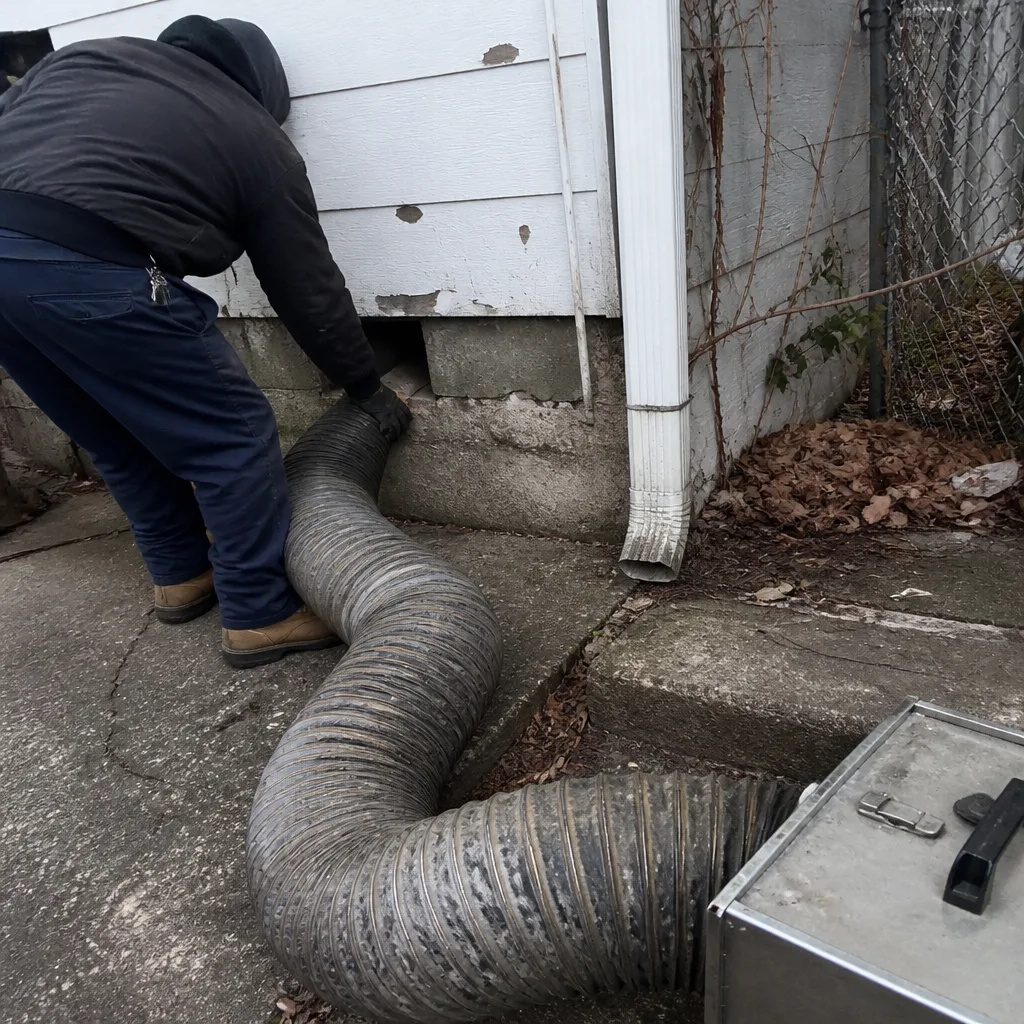 Before
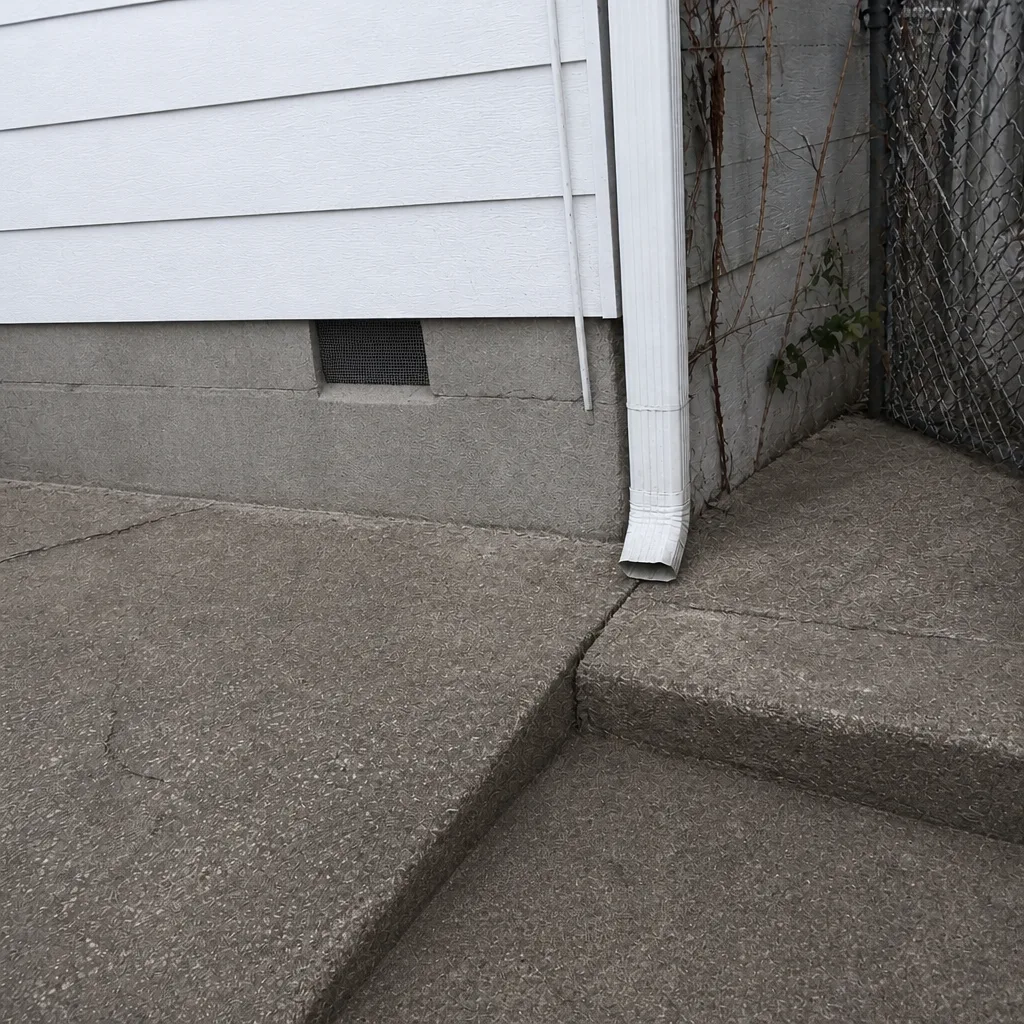 After
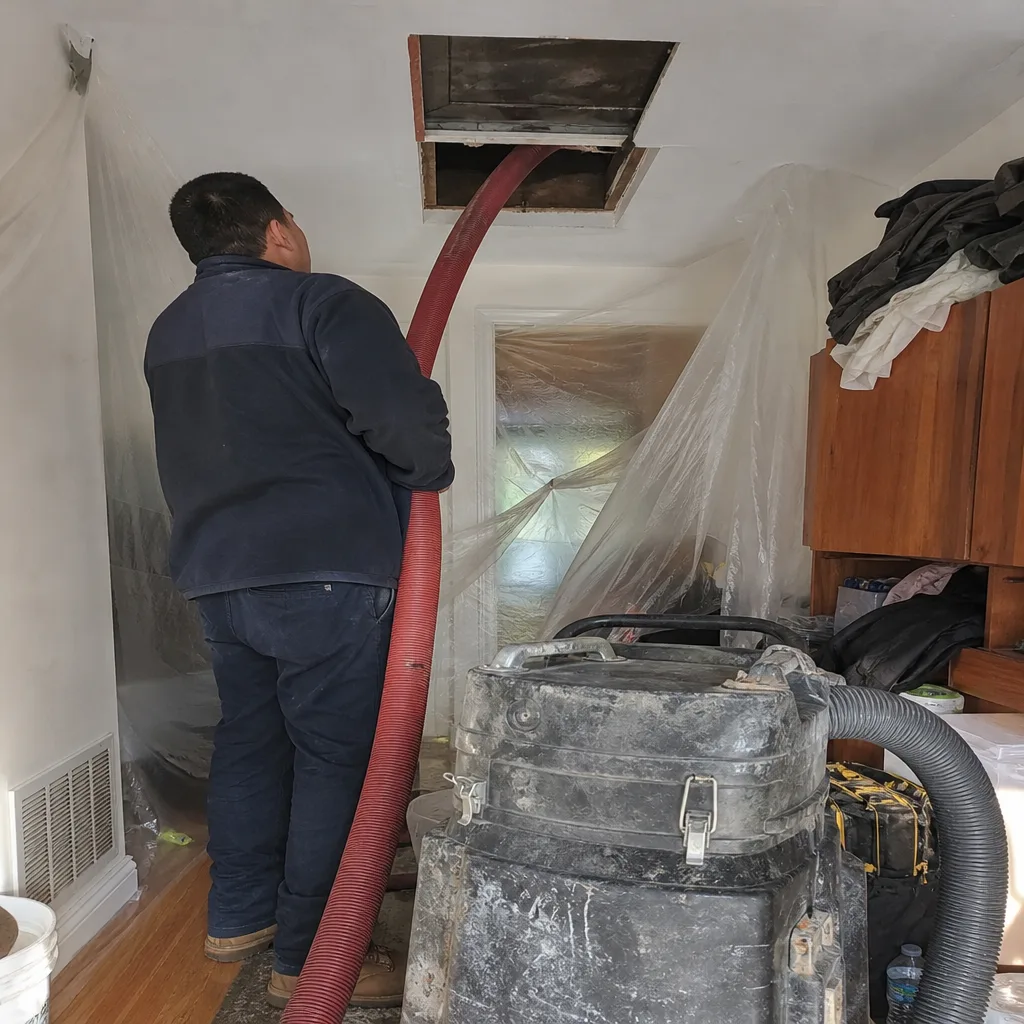 Before
 After
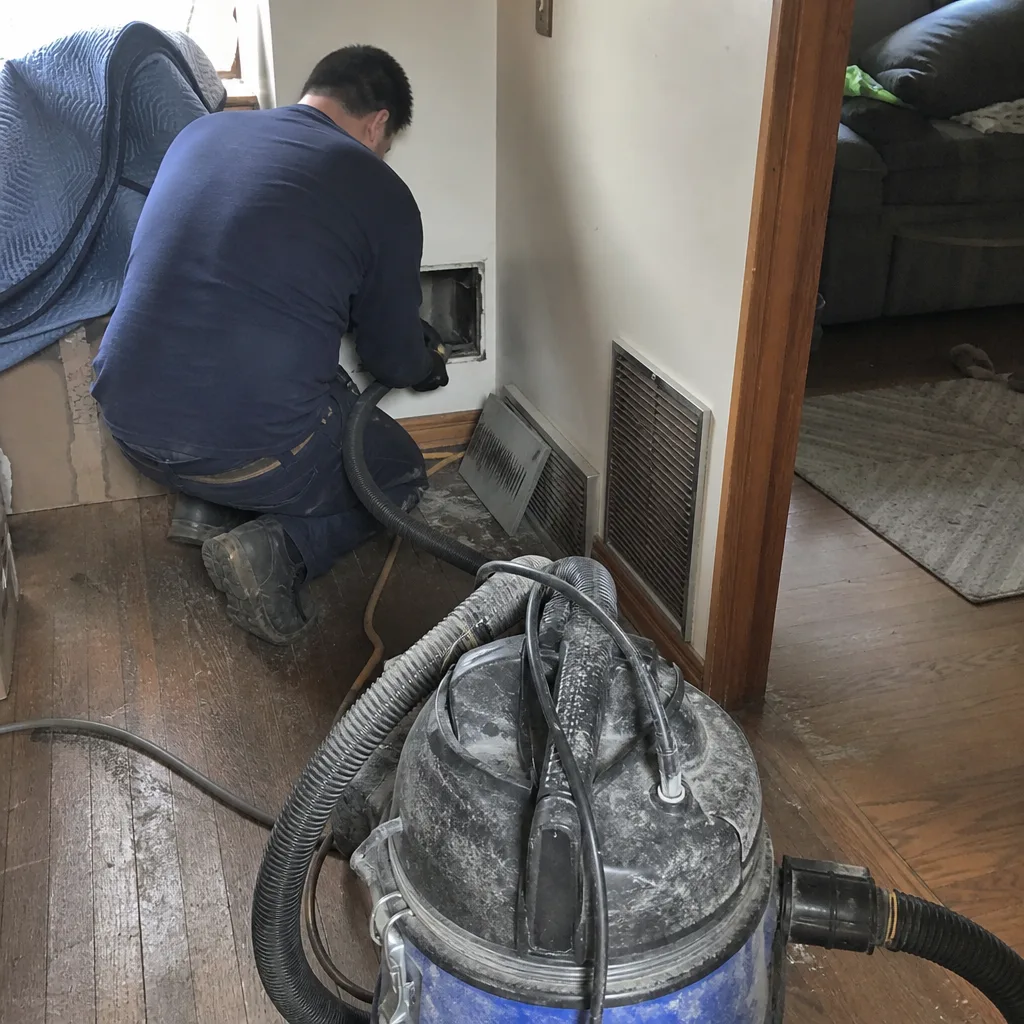 Before
 After
Frequently Asked Questions
Once a year for a full professional clean, with targeted service between those annual resets as problems surface. Flushing’s humid summers and long heating seasons load the ducts faster than a milder climate would, so an annual reset is the honest answer for most households. If you have pets, allergies, or have just moved into an older home, an inspection each spring is worth it even in year one. Call (833) 468-5745 for an exact quote – estimates are free.
The smell usually comes from the cooling coil or drain pan, not the ducts themselves, especially in a Flushing summer where humidity runs high. Standing water in the pan or a slow condensate line creates a moisture source right beside the plenum, and that can grow a musty smell within a season. A targeted HVAC cleaning of the coil and pan addresses it directly. Call (833) 468-5745 for a seasonal inspection.
A targeted clean is fine between annual resets, but most systems in older Flushing homes benefit from a full clean about once a year, where the whole run and the components behind it get addressed together. Targeted service handles a specific problem – a suspected rodent return, a coil issue – without a full reset. We’ll tell you which tier fits your system based on what we find. Call (833) 468-5745 for a free estimate.
Steam-to-forced-air conversions often have undersized duct runs and higher static pressure, so a standard clean may not solve airflow complaints on its own. Winter is when the problem shows, because the system runs continuously under load and a high static pressure reduces delivery to far rooms. A professional who measures static pressure alongside cleaning can identify whether a duct upgrade is worth considering. Call (833) 468-5745 for a free estimate.
Ask for before-and-after photos of your own ductwork and for a clear explanation of the equipment used – rotary brush, high-volume vacuum, and containment are the markers of a genuine clean. A provider who names their tools and shows you photos of your system is accountable in a way a vague “we cleaned it” never is. We name the equipment and document the result because it’s your home. Call (833) 468-5745 for an exact quote – estimates are free.
Cheaper quotes typically reflect a shop vac and a surface pass rather than professional rotary and containment equipment, and they often price per vent instead of per system. That’s where bait-and-switch pricing starts – a low teaser that grows once the technician is on site. We quote one flat price per system, agreed before work starts, with no per-vent pricing. Call (833) 468-5745 for an exact quote – estimates are free.
The Bottom Line
Seasonal duct care in Flushing is a rhythm, not a milestone. Spring clears the soot and pollen the heating season leaves behind. Summer is the humidity-and-coil season, where the drain pan and evaporator coil decide whether mold gets a foothold. Fall is the pre-heating inspection window, when startup debris and rodent intrusion need to be addressed before the furnace runs. Winter tests static pressure in older homes with undersized runs, and rewards monitoring over guessing. Tier your spending across the year – one annual reset with targeted service between visits – and the whole system stays healthier. If you want a plan built around your home’s actual duct system, Air Duct Cleaning Flushing is ready to help.
Whether you’re scheduling your first spring reset, addressing a summer coil issue, tightening up the return before fall, or simply want a seasonal inspection across the year, one call covers your entire air system. Reach out for a free estimate and a straightforward explanation of what your ducts are accumulating and what we’ll do about it. Call (833) 468-5745 to schedule air duct cleaning, dryer vent cleaning, or HVAC cleaning in Flushing. We answer 24/7. Fast dispatch from 7am to 7pm, Sunday through Friday.
Written by the team at Air Duct Cleaning Flushing.