
Last updated November 20, 2026
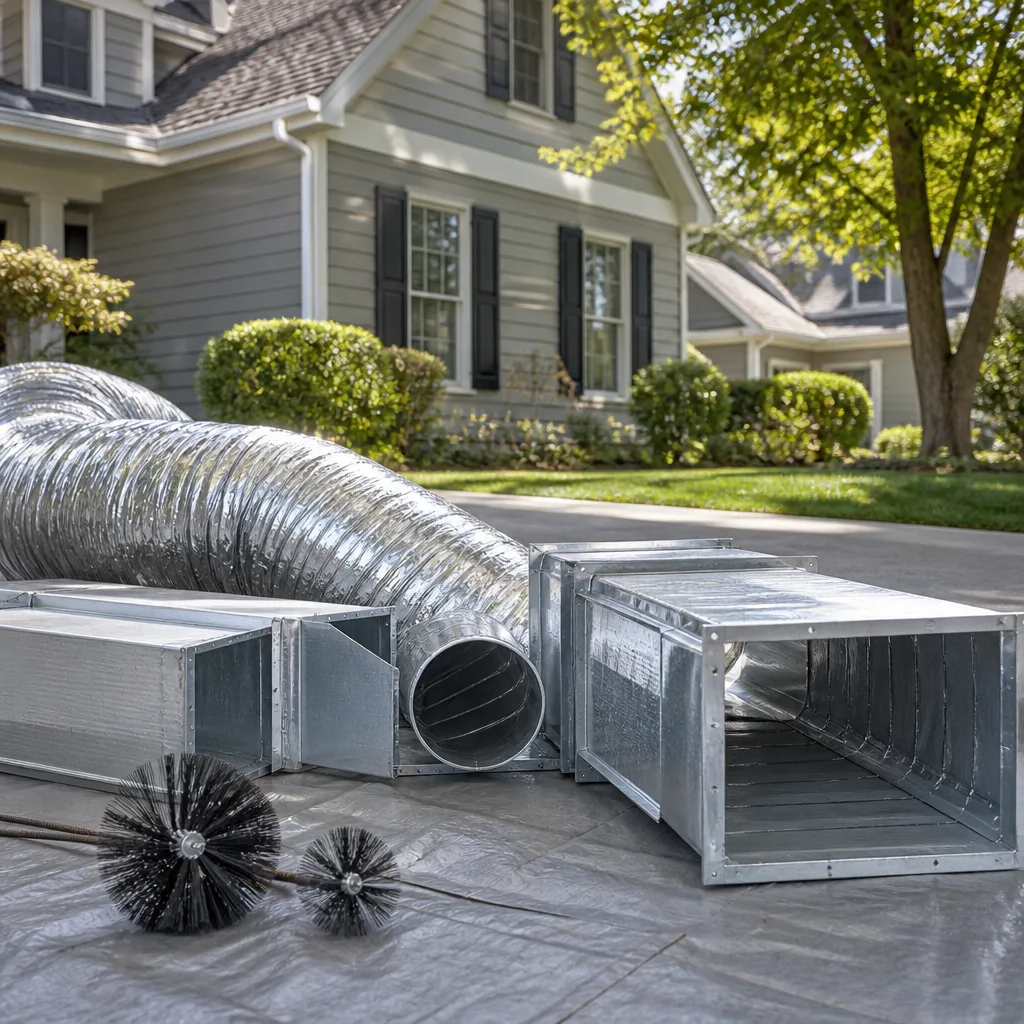 Whole-home duct cleaning
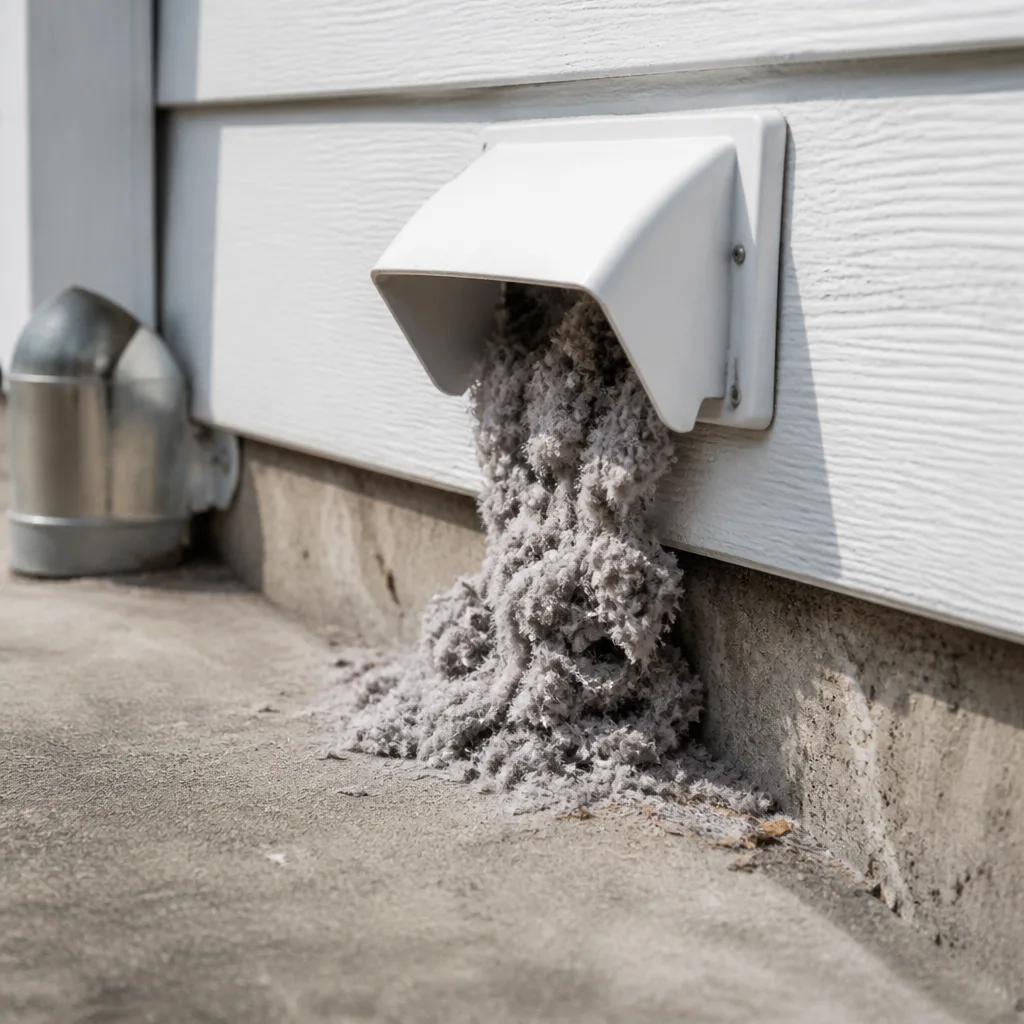 Dryer vent cleaning
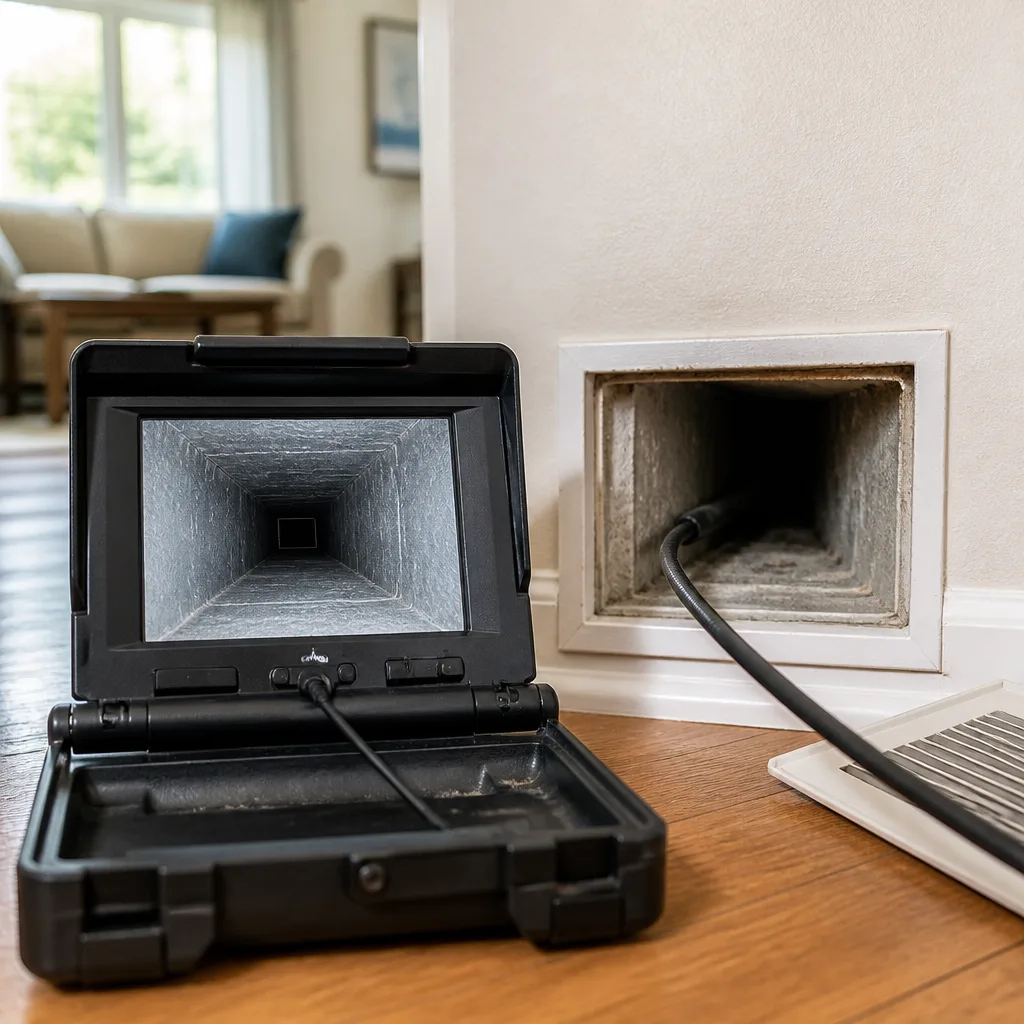 Camera inspection
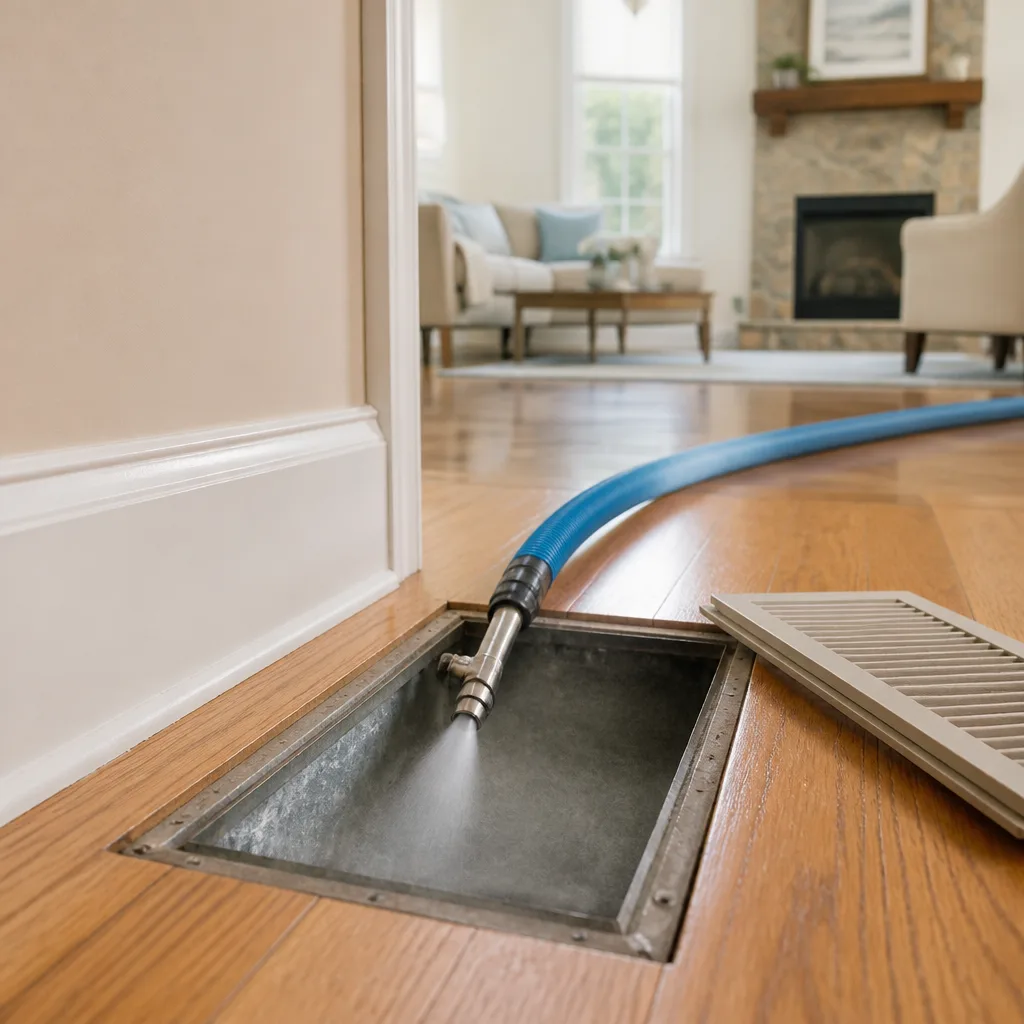 Sanitizing & deodorizing
Whole-system duct and dryer vent check with before-and-after photos - you see exactly what came out of your vents
That "$99 whole-house special" is a bait ad - the real number appears once they are in your hallway, or the "clean" is a shop-vac at the register. We photograph the inside of your ducts before and after instead.
Air Duct Cleaning Warning Signs: A Flushing Homeowner’s Reference Guide
If your allergies are worst in the first ten minutes after your HVAC kicks on and then ease off, your duct system is the likely source. That pattern is the signature of an aerosol burst: settled particulates sitting inside the ductwork get pushed into your living space at startup, then the load drops as airflow settles. Most homeowners read that sequence as an HVAC problem and start replacing thermostats and air handlers. The actual issue is usually biological or debris contamination inside the duct system itself. This guide teaches you to read the signs your ductwork is already giving you, from differential airflow and grille inspection to odor taxonomy, in the context of Flushing’s older housing stock and its humid summers.
Quick Answer
Air duct cleaning warning signs in Flushing usually show up as a startup dust burst, uneven airflow between rooms, grey felt-like buildup on return grilles, a musty smell when the system starts, and unexplained energy bill creep. These point to accumulated contamination inside the duct system, not a failing HVAC unit. When the signs pair with a persistent chemical smell or visible microbial growth, the job shifts from maintenance cleaning to remediation with containment equipment.
Styles & brands we work with
- Whole-home duct cleaning
- Dryer vent cleaning
- Camera inspection
- Sanitizing & deodorizing
Table of Contents
- The Startup Dust Burst: Why It Happens and What It Means
- Differential Airflow: Your Rooms Are Telling You Something
- Reading Your Return Grilles: Grey Buildup vs. Black Streaking
- Odor Taxonomy: Musty, Burning Dust, or Chemical
- Energy Bill Creep as a Duct Performance Indicator
- Cleaning Job vs. Remediation Job: Knowing the Difference
- Flushing Housing Types and What They Mean for Your Ducts
- Common Mistakes to Avoid
- When to Call a Professional
- Frequently Asked Questions
The Startup Dust Burst: Why It Happens and What It Means
That first-minute puff of dust when the furnace or air handler engages is not normal operation. It’s a pressure event. When the blower starts, the duct system goes from near-zero static pressure to full delivery in seconds, and any loose particulate resting on the duct floor, on turning vanes, or on the blower wheel gets lifted and carried into the supply runs. If you can see dust moving at a supply register on startup, there is enough material inside the system to drive a real air quality problem.
The reason this reads as an HVAC problem: the HVAC system is what’s being blamed. Homeowners pay for a tune-up, replace a thermostat with a smart unit, or have the air handler serviced, and the dust burst continues. The blower is doing exactly what it was designed to do. The material is the problem, not the machine.
A simple check that requires no tools:
- Turn the system off and let it sit for at least an hour.
- Hold a black cloth or a white sheet of paper a few inches from a supply register.
- Turn the system on and count to thirty.
- Inspect the cloth. A light grey haze is normal. A visible build-up of particles, a gritty texture, or a dark stain means the supply run is delivering more than air.
Repeat at two or three registers. If the buildup is worse at one or two registers than others, that points toward a partially obstructed run feeding those rooms, which we’ll cover under differential airflow. In our experience, homeowners in Flushing’s older attached homes and cape-style houses often find the basement and first-floor registers show the heaviest buildup, simply because the return side draws from the lowest point in the house.
Differential Airflow: Your Rooms Are Telling You Something
Uneven airflow between rooms is one of the most reliable duct warning signs, and it’s free to test. Rooms that feel stuffy, rooms you have to close vents in to make others work, rooms where the register blows weak even when the door is open: those are pressure signals. A duct system is a balance, and when one run is partially blocked by debris, insulation collapse, or a disconnected joint, the other runs have to compensate.
Here’s the tissue test. It takes about five minutes per register:
- Cut a strip of toilet paper or tissue about six inches long.
- Hold it about one inch from the face of the supply register while the system is running.
- Note the deflection angle. A healthy register will lift the tissue to a roughly horizontal position and hold it steady.
- Note any flutter. A tissue that flutters or drops at one register but holds at another is reading a pressure drop in that run.
- Repeat at every supply register and mark the weak ones on a rough floor plan.
The pattern matters more than any single reading. If one side of the house is consistently weak and the other is strong, you’re looking at a blockage or a restriction in that branch run. If every register is weak, the problem is upstream: the blower, the return side, or an evaporator coil that’s packed with dirt. If registers were strong last year and weak this year with no HVAC changes, debris accumulation in the trunk is a probable cause.
In Flushing, late-summer humidity makes airflow complaints louder because the system is running longer cycles and the buildup becomes more obvious. We’ve seen plenty of houses where the homeowner closed half the vents to force air into the bedrooms and never realized the real problem was a collapsed flex run in the basement ceiling. Uneven airflow is a diagnostic, not an inconvenience to work around.
Reading Your Return Grilles: Grey Buildup vs. Black Streaking
The return grille is the intake, and what it looks like tells you what’s coming into the system. Two things are common on return grilles in Flushing’s older housing, and they mean different things.
Grey, felt-like buildup is lint, skin cells, pet hair, and fabric fiber that has matted together on the grille face. It’s a mechanical filtration failure at the return: the filter isn’t catching it, or the filter has been missing, or the return is too small and the airflow is pulling material past the filter media. That same material is inside the duct trunks. Grey matted buildup on a return grille is a strong indicator that the ductwork needs professional cleaning, not just a new filter.
Black streaking or blackening is different. It can be soot from candles or cooking, but it’s often mold or mildew growth where moisture has collected, particularly on grilles near bathrooms, kitchens, or in the cooler basement returns. Black streaking near the edges of a grille, or dark spotting inside the throat of the return, warrants a closer look before any cleaning starts.
The distinction matters for two reasons. First, it tells you whether the job is maintenance cleaning or something that needs containment. Second, it changes the tools. Grey material is a mechanical removal job, and it responds to a rotary brush system like Rotobrush because the material needs to be loosened from the duct wall, not just vacuumed off the surface. Dark organic growth calls for containment first: negative pressure, HEPA filtration, and air scrubbing with equipment like Abatement Technologies scrubbers before anything gets disturbed.
Pull one return grille and look inside with a flashlight. You’re not trying to diagnose anything specific. You’re trying to see whether the inside of the duct is bare metal, dusted, matted with grey material, or darkened and damp. Each of those points to a different next step.
Odor Taxonomy: Musty, Burning Dust, or Chemical
Smell is the most underrated diagnostic tool a homeowner has. Different odors point to different conditions inside the duct system, and one of them is a stop-and-call signal.
- Musty at startup, fading after a few minutes: this is moisture-driven. The duct system has held dampness long enough for biological growth, and the smell fades once the airstream dries the surface. Common in basement returns and in duct runs that pass through unheated spaces. In Flushing’s humid summers, a basement return that sits cool and damp through July and August is a prime candidate.
- Burning dust, hot-metal, or a dry scorched smell: this is dust burning off the heat exchanger or the electric elements at the start of a heating cycle. Light burning dust at the first heat-up of the season is normal. Continuous or worsening burning dust means dust load inside the system, and it deserves attention because it’s a load the system is literally cooking.
- Persistent chemical or solvent smell: this is not a cleaning call in the ordinary sense. It can mean off-gassing materials, a refrigerant leak, or contamination that needs to be identified before any work begins. Do not run the system and do not start disturbing ductwork. Get a professional on site.
- Sour, stale, or dirty-sock smell on every cycle: this usually points to a dirty evaporator coil or a wet drain pan, not just the ducts. Cleaning the ducts without addressing the coil will bring the smell back.
When an odor is persistent, chemical, or paired with visible dark growth, the right response is a containment protocol. An Abatement Technologies air scrubber running HEPA filtration in a negatively pressurized space is what keeps dislodged material out of your living room while the work happens. A shop vac in the middle of a contaminated system does the opposite: it stirs the material into the air. That difference between a maintenance clean and a containment job is not a sales pitch. It’s how remediation contractors operate, and it’s the standard a careful duct cleaning job in Flushing should be held to.
Energy Bill Creep as a Duct Performance Indicator
Energy bills creep for a lot of reasons. Rates go up. A summer gets hotter. But there’s a specific pattern worth reading: bills that climb month over month while your habits, your thermostat setpoint, and your household size stay the same. That’s a performance signal. If the system is running longer to move the same air, the restriction is inside the system.
The mechanism is straightforward. A partially obstructed supply run raises static pressure in the trunk. Higher static pressure means the blower moves less air per cycle. Less air means the system has to run longer to satisfy the thermostat. And a longer run time moves more of the material that’s causing the obstruction into the living space. That’s the feedback loop: dirt causes restriction, restriction causes longer run times, longer run times move more dirt. And that surface dust also coats the evaporator coil, which is a second restriction on the same system.
You don’t need a pressure gauge to read this. You need to look at what’s actually running longer:
- Cycle length. If the system used to cycle in eight or ten minutes and now runs fifteen or twenty, something has changed.
- Run time on mild days. A system that runs almost continuously on a 78°F day is working harder than it should.
- Register temperature. If the air coming out of the supply feels barely cool relative to how long the unit has been running, airflow is restricted.
Please be careful with what you do about this. Condenser coils, refrigerant lines, and electrical components are not do-it-yourself territory; those belong to a licensed HVAC technician, and we’re not offering instructions there. Duct cleaning addresses the air side of the equation, and if the restriction is inside the trunks and branch runs, cleaning is where the efficiency loss gets addressed. If the system is low on refrigerant, or the compressor is failing, cleaning won’t fix that, and any honest estimate will tell you so. If you’re not sure which one you’re looking at, the right first step is a pressure test with a manometer at the registers. A professional can do that in a few minutes and tell you whether the problem is on the air side or the refrigerant side.
Cleaning Job vs. Remediation Job: Knowing the Difference
This distinction is the one most homeowners never hear, and it’s the one that changes the price, the timeline, and the tooling. Maintenance-level contamination is the ordinary accumulation of dust, lint, and debris inside the duct system. It’s mechanical material sitting on duct surfaces. A rotary brush system and a high-powered negative pressure vacuum, run through the trunks and branch runs, will remove it.
Remediation-level contamination is different in kind, not just quantity. It’s contamination that shouldn’t be disturbed without a controlled work zone around it. Here’s what puts a job into remediation territory:
- Visible microbial growth inside the ductwork, confirmed by someone trained to identify it
- A persistent musty or chemical odor that doesn’t clear when the system runs
- Water intrusion or known moisture damage in the duct system
- Rodent or pest activity inside the ductwork
- Contamination that has entered the HVAC cabinet or the evaporator coil housing
- Recent renovation, mold remediation, or fire damage in the home where debris may have entered the system
When any of those apply, the right approach adds containment before cleaning starts: negative pressure to keep the work zone isolated from the living space, HEPA filtration running throughout the job, and a scope that includes the HVAC cabinet and coil, not just the ducts. That’s the standard restoration contractors work to, and it’s the standard we’ve applied on jobs that need it.
The practical difference for a homeowner: a maintenance clean is one afternoon, no containment, one team on the air handler and ductwork. A remediation job is scheduled with containment equipment, protective barriers, and post-clean verification. If a contractor shows up to a remediation-level job with a shop vac and treats it like a maintenance clean, walk away. Ask what containment equipment is coming, and expect a specific answer.
Flushing Housing Types and What They Mean for Your Ducts
Flushing’s housing stock has a real effect on duct conditions, and it’s worth knowing what you’re living in.
The classic Flushing colonial or cape-style house often has a basement return with a galvanized trunk running the length of the basement ceiling, then flex or metal branch runs up to the first floor. The galvanized trunk accumulates material in the bottom of the run; a rotary brush system like Rotobrush is what you want for that, because the material matts down and needs mechanical loosening, not just vacuuming. Older attached homes and rowhouses sometimes have shared or original sheet-metal ductwork with seams and joints that can leak. Duct cleaning on that system should include a joint check, not just a cleaning pass.
Newer construction around Flushing often uses flex duct, which is fine when it’s hung and supported correctly and poorly installed when it’s crushed or sagging. A crushed flex run is a permanent restriction and no amount of cleaning fixes it; it needs to be re-run or re-supported. That’s worth knowing before you pay for a cleaning that can’t solve the airflow problem.
Flushing’s basements are the other factor. A lot of them sit cooler and damper through the summer than the living space above, and the basement return is often the lowest, easiest-to-neglect point in the system. Humidity there is a real driver of the musty-at-startup smell, and a basement return that has held dampness all summer is where we look first when a homeowner reports it. Roof and plumbing leaks enter at the lowest point in the house, so a ceiling stain one floor up often shows up as moisture in the duct run below before it shows up anywhere else.
One more consideration: the standard should be commercial-grade for a residential job. Rotobrush and Nikro are the equipment systems professional HVAC and restoration contractors use. Nikro rigs are built for both residential and commercial duct remediation. Consumer-grade vacuums sold or rented at big-box stores don’t have the negative pressure or the agitation at the duct surface to do the job. Ask what equipment is coming before you book. A contractor who names the tools and can explain why is a contractor you can hold to a process.
Common Mistakes to Avoid
- Replacing the thermostat when the ductwork is the problem. A smart thermostat is a control device, not a cleaning device. It can’t fix a restricted run. Homeowners who upgrade the controls before checking the air side end up two problems in, with the original one untouched.
- Assuming a shop-vac is a duct cleaning job. A consumer vacuum can’t generate the pressure or the agitation to lift matted material off the duct wall, and running one mid-system can push more into the living space than it removes.
- Ignoring the return side. Homeowners often only think about supplies. The dirt that shows on your return grille is the material feeding the whole system. Pull one grille and look inside before you schedule anything.
- Skipping the dryer vent and the HVAC cabinet. A full air system is ducts, dryer vent, and HVAC cabinet. If one is neglected, air quality and system efficiency both suffer. Ask whether the estimate covers all three, because a cleaning that stops at the ducts leaves the biggest particulates in place.
- Booking a remediation-level job on a maintenance clean. If the return grille shows dark organic growth or the smell is chemical, the job needs containment, HEPA filtration, and a credentialed scope before anything starts. Don’t let a routine clean disturb a contaminated system.
- Judging a contractor on the price alone. Every quote you’ll see in Flushing is not counting the same scope. Ask what equipment is coming, what gets contained, what gets verified, and whether the job includes the coil and the return side. Then compare.
- Waiting for the smell to clear on its own. Musty-at-startup means moisture is feeding biological growth. It doesn’t resolve with filter changes or with time, and it tends to get worse through a humid summer. Address the source instead of adjusting to it.
When to Call a Professional
Call a professional when any of these apply: a startup dust burst that continues after the filter is fresh, a tissue test showing clearly weak registers in one part of the house, grey matted material on a return grille, a musty smell at startup that doesn’t clear, a persistent chemical smell, bills climbing with no change in habits, recent renovation or water damage, or a home you’ve just moved into where you want a clean baseline. A shop-vac will not resolve any of these, and in the worst cases it makes them worse.
Air Duct Cleaning Flushing offers free estimates in Flushing. A written estimate sets the final price. Call (833) 468-5745 for a free estimate. We answer 24/7. Fast dispatch from 7am to 7pm, Sunday through Friday.
Frequently Asked Questions
The most reliable split is between symptoms that persist after an HVAC tune-up and symptoms that disappear. A startup dust burst, uneven register airflow, grey matted buildup on return grilles, and bills that climb with no change in habits are all air-side signs, which means the ducts. Warm supply air or a system that runs almost continuously despite a fresh filter points toward the HVAC itself. If you’re not sure, book an estimate that covers both: a professional should look at the air handler and the evaporator coil, not just the ducts.
It’s lint, skin cells, pet hair, and fabric fiber matted together and pulled past the filter. That same material is inside the duct trunks. Grey matted buildup on a return grille is the strongest single visual sign that the duct system needs professional cleaning, and it usually pairs with the startup dust burst. Pull one return grille in Flushing and look inside with a flashlight: bare metal is fine, matted grey is a cleaning call.
It’s a sign of moisture in the system that has fed biological growth, and that’s a containment-level job, not a maintenance clean. When the smell is persistent, get an estimate that includes containment equipment. The right protocol isolates the work zone, runs HEPA filtration, and treats the HVAC cabinet, not just the ducts. If the odor is chemical rather than musty, turn the system off and call a professional before disturbing anything.
It depends on the system and the household, not on a calendar. Homes with pets, recent renovation, heavy allergy sufferers, or a basement return that runs damp in the summer usually need it sooner. Homes with a well-sealed return and a clean filter can go longer. The better question is whether the warning signs are present. If they aren’t, you don’t need the service, and an honest estimate will tell you so.
In most cases, the cheaper quote is covering a smaller scope: the same price, but not the same job. A low quote often excludes the evaporator coil, the return side, the dryer vent, the HVAC cabinet, or containment equipment for a contaminated system. The cost of the missing pieces doesn’t disappear; it comes back as a second visit or a problem that never got fixed. Ask every contractor the same three questions: what equipment is coming, what’s in scope, and what gets contained. A straightforward answer is worth more than a low number.
At minimum, expect a truck-mounted or powerful portable negative pressure vacuum and a rotary brush system designed for duct interiors. Rotobrush and Nikro are the equipment systems professional HVAC and restoration contractors use. If the system shows organic growth, pest activity, or a persistent odor, expect containment equipment: a HEPA air scrubber and negative pressure setup, which is the Abatement Technologies standard for remediation-level work. Ask before you book and expect a specific answer.
The Bottom Line
Duct warning signs are readable, and most of them cost nothing to check. The startup dust burst, uneven register airflow, grey matted buildup on the returns, musty-at-startup odor, and unexplained bill creep all point to the air side of the system. Learn the difference between maintenance-level contamination and a containment-level remediation job, and you’ll know which kind of estimate you need. In Flushing, older housing and humid summers make those signs more common, not less. Air Duct Cleaning Flushing offers free estimates on air duct cleaning, dryer vent cleaning, and HVAC cleaning in Flushing. Call (833) 468-5745. We answer 24/7. Fast dispatch from 7am to 7pm, Sunday through Friday.
Related Pages
Written by the team at Air Duct Cleaning Flushing.
See the difference
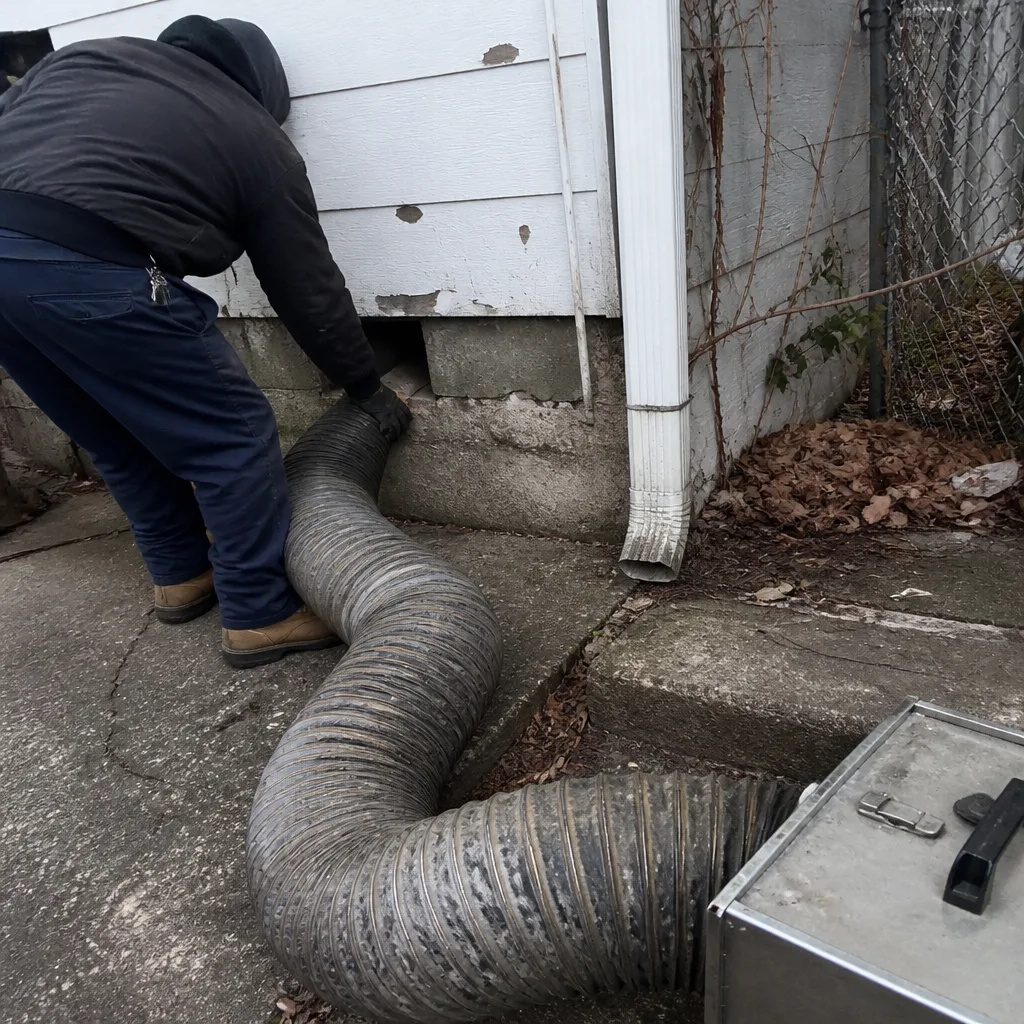 Before
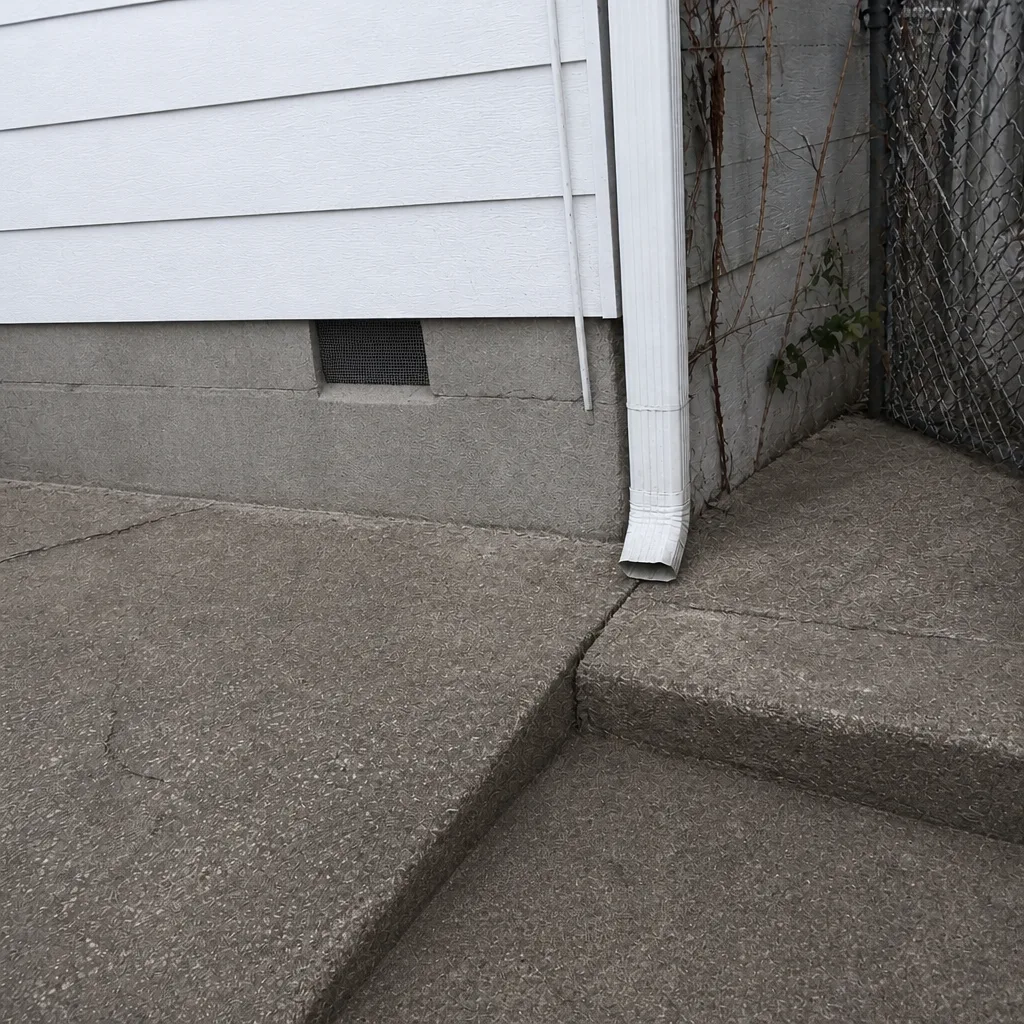 After
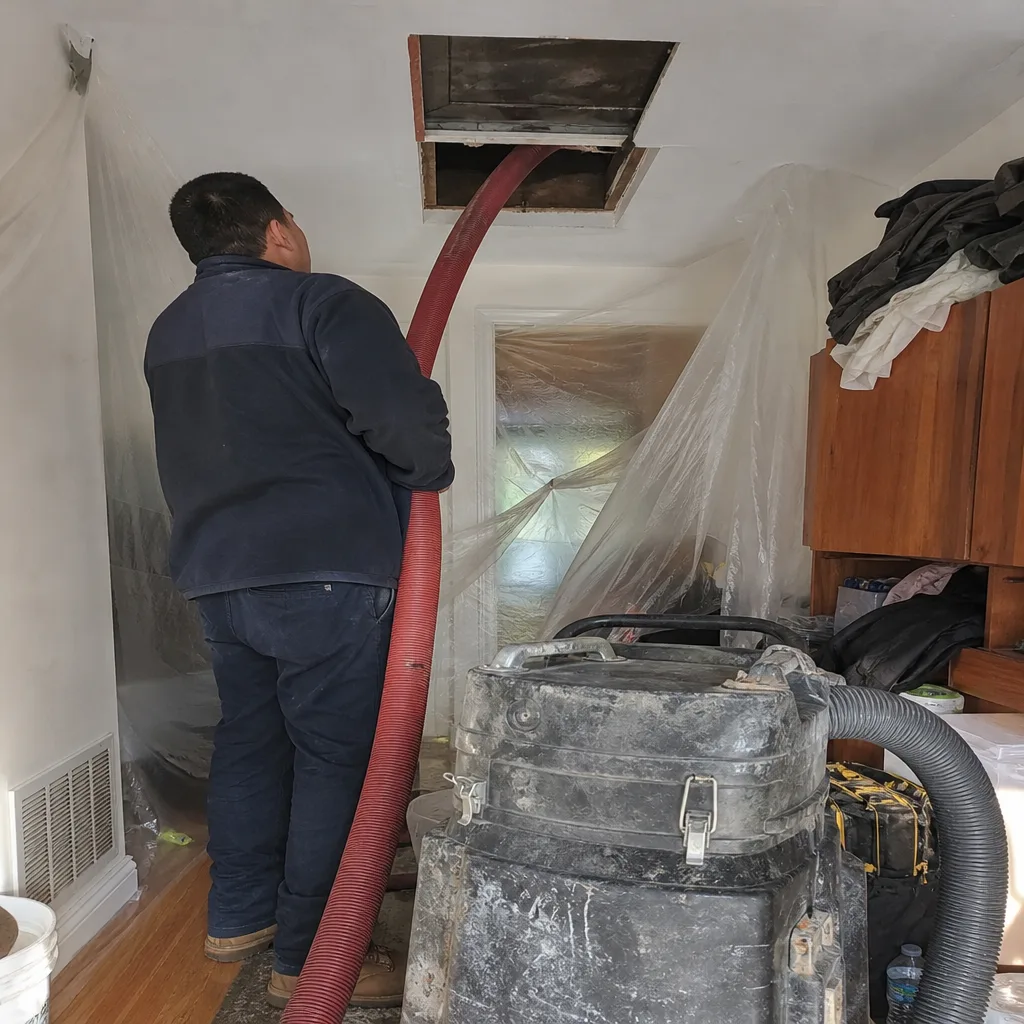 Before
 After
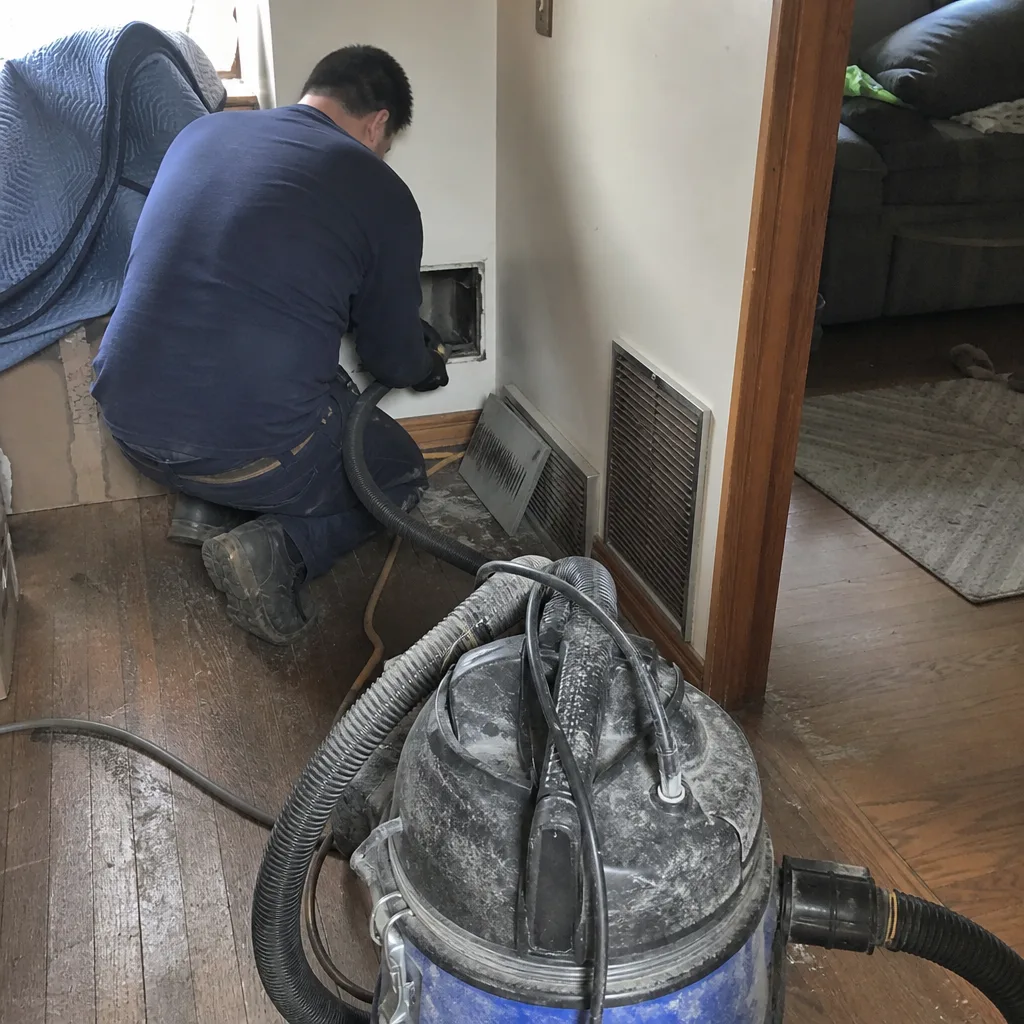 Before
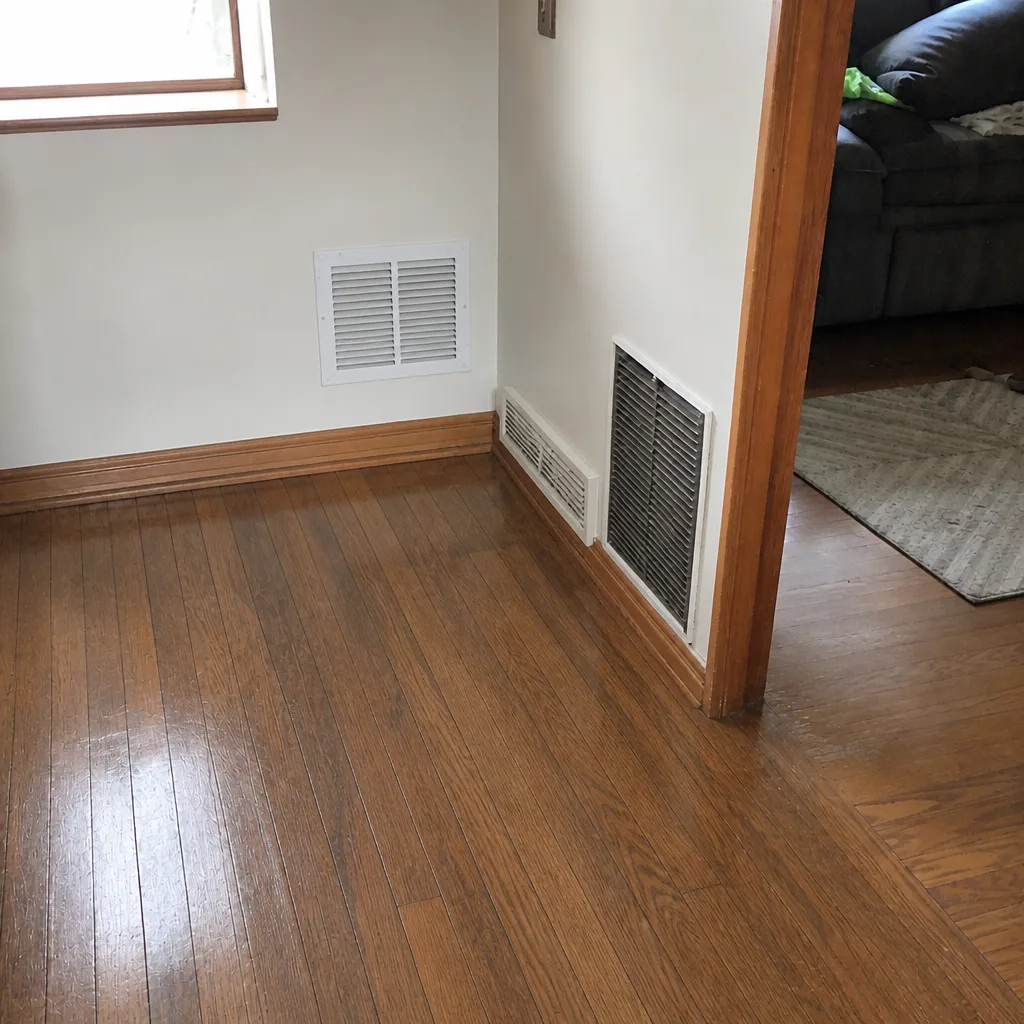 After